Beijing Schools to Start AI Education in Autumn Semester
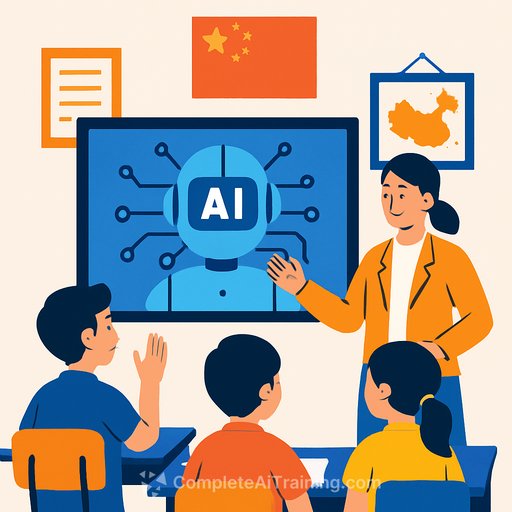
Beginning this autumn, primary and middle schools across Beijing will introduce artificial intelligence (AI) education as part of their curriculum. The Beijing Education Commission has mandated at least eight class hours per academic year dedicated to AI, according to the 2025 edition of the Curriculum Outline for Artificial Intelligence Education in Primary and Secondary Schools in Beijing (Trial).
Curriculum Focus and Structure
The curriculum centers on three key areas:
- AI awareness and cognitive abilities
- AI applications and innovation skills
- Ethics and social responsibility related to AI
This approach guides students from a foundational knowledge of AI to using it responsibly, while encouraging problem-solving and innovative thinking. Practical skills in AI applications will also be evaluated as part of students' overall assessments.
Schools have flexibility in how they implement AI education. They can offer dedicated AI courses or integrate AI topics into existing subjects like information technology, general technology, science, or labor. The curriculum stresses the importance of integrated design to prevent overlap and redundancy.
Perspectives from Educators
Li Yuxin, principal of Beijing Bright Horizon Foreign Language Primary School, highlighted the school’s ongoing efforts in AI education research. Li expects the new guidelines to help create a seamless AI education experience from primary through middle school, enabling the education sector to take full advantage of advancements in AI technology.
Professor Zheng Qinhua from Beijing Normal University pointed out that many popular "AI programming courses" currently offered do not fully align with the goals of general AI education. According to Zheng, the new outline will help foster enthusiasm among elementary students and emphasize hands-on experience with AI applications. In junior high school, the focus will shift to understanding AI technologies and theories and strengthening application skills. For senior high students, the curriculum will prioritize innovation, creative practice, and awareness of AI's strategic role in national development.
Implications for Education Professionals
For educators, this initiative presents a clear framework to build AI literacy systematically from early schooling onward. Emphasizing ethical considerations alongside technical skills prepares students for responsible AI use. This phased approach—from awareness to application to innovation—offers a practical model for developing AI competencies at different education levels.
Those involved in curriculum planning or teaching can consider how to integrate AI education effectively within their current programs. Resources and courses related to AI education methodology and tools can support this transition. For example, platforms like Complete AI Training offer a variety of courses that may help educators stay updated with AI trends and teaching practices.
Your membership also unlocks: