
AI news ·
Biased AI data and lack of diversity put people of color at greater health risk
U.S. healthcare organizations spent $1.4 billion on AI in 2023, but fewer than 2% of AI practitioners are people of color. Models built on skewed data reproduce health disparities rather than fix them.
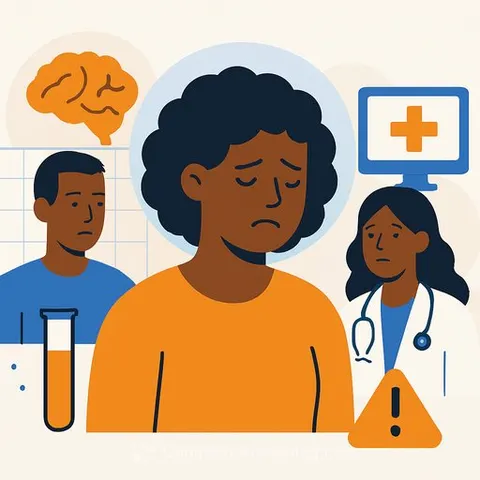
AI in Healthcare Faces a Diversity Problem
U.S. healthcare organizations invested $1.4 billion in artificial intelligence in 2023, betting that AI can reduce inefficiencies, fill workforce gaps, and improve patient outcomes. But a fundamental flaw threatens to undermine those goals: the AI systems being built do not reflect the populations they treat.
Fewer than 20% of AI practitioners are women. Fewer than 2% are people of color. This matters because AI models trained on incomplete or biased data reproduce and amplify existing health disparities rather than reduce them.
Where Bias Enters the System
Clinical evidence has historically skewed toward white, urban, middle-aged men in North America, then been generalized to other groups. Some AI algorithms fail to recognize melanated skin, creating diagnostic blind spots. When these gaps go unexamined, they become embedded in the systems healthcare providers rely on.
The principle is straightforward: weak data produces unreliable outputs. Bad inputs yield bad recommendations, which can steer treatment decisions in the wrong direction.
AI's Promise for Drug Development
AI does offer real advantages. Developing a new drug typically takes 10 to 15 years and costs around $2.2 billion. AI methods can compress timelines and reduce costs, potentially delivering therapies faster for conditions that disproportionately affect communities of color-heart disease, cancer, and infectious diseases among them.
That benefit evaporates if the underlying data doesn't represent the patients who need treatment most.
What Needs to Change
Healthcare organizations should prioritize these steps:
- Recruit and advance women and people of color in AI research, development, and leadership roles
- Ensure clinical trials reflect U.S. demographic diversity, with targeted recruitment of underrepresented groups
- Partner with community organizations to build trust and align AI solutions to actual patient needs
- Document data sources, limitations, and bias risks; establish clear accountability for outcomes
- Publish case studies showing where AI reduces health disparities or improves outcomes for marginalized populations
Healthcare AI can improve outcomes across all populations, but only if development teams look like the patients they serve and the data reflects real-world diversity. AI for Healthcare applications depend on this. So does AI Data Analysis quality.
The technology is advancing fast. The equity question is whether the industry will catch up.