Block's Rehiring Spree Shows AI Layoffs Were Premature
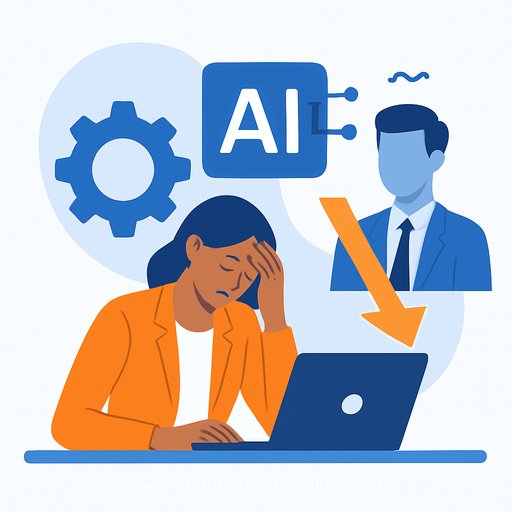
Block laid off more than 4,000 employees in February, citing AI as the reason. Less than a month later, the fintech company began calling workers back.
Jack Dorsey, Block's founder, reduced the workforce from 10,000 to fewer than 6,000, claiming that "AI tools changing everything" justified the cuts. But the rehiring that followed suggests the calculation was wrong.
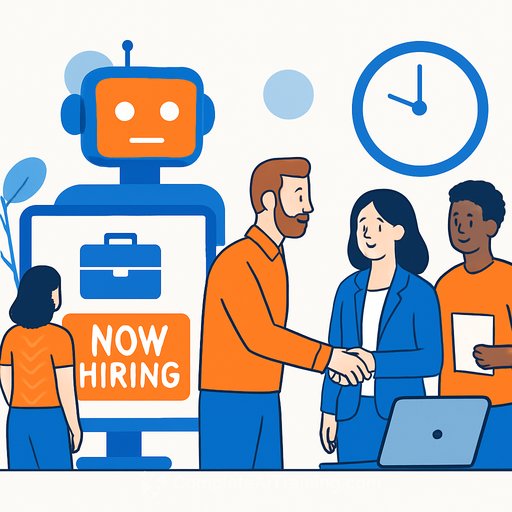
Engineers, recruiters, and designers received callbacks. Some were told they'd been laid off in error. Others had managers advocate for their return. A design engineer posted on LinkedIn that his layoff was a "clerical error." An HR worker said his manager had to push repeatedly to get him rehired.
These rehired employees represent only a small fraction of those laid off. But the pattern reveals something companies haven't fully grasped: for many roles, AI isn't ready to replace humans.
The Math Doesn't Work
Enterprise AI costs more than most employers realize. Claude Opus 4.6 runs $5 per million input tokens and $25 per million output tokens. Domestic models like Qwen 3.5 Plus cost less, but still add up.
One analyst who used Claude 4.5/4.6 burned through $6,000 in tokens in just over a month for personal use. Scale that to a company trying to replace customer service, engineering support, or recruitment.
A college graduate working customer service in many markets earns roughly 3,000 yuan per month. Training an AI system to handle complex work orders, access multiple knowledge bases, and manage multi-round conversations costs far more. And it still requires human oversight.
Swedish payment company Klarna learned this lesson. In 2024, it announced layoffs of over 1,000 workers, claiming AI customer service could replace 700 agents. By May 2025, Klarna was hiring customer service staff again. Its CEO admitted the company had "moved too fast."
The Remaining Workers Pay the Price
Companies don't reduce workload when they introduce AI. They increase it.
Employees who survive layoffs inherit the tasks of those who left, plus new work that AI tools enable. The efficiency gain doesn't translate to rest-it translates to more output per person. This mirrors what economists call Jevons' Paradox: efficiency improvements don't reduce resource use; they increase total demand.
But there's a deeper problem. A company is a human organization. AI can integrate into formal structures-workflows, processes, systems. It cannot understand informal networks: who trusts whom, who covers for whom, who knows how to actually get things done.
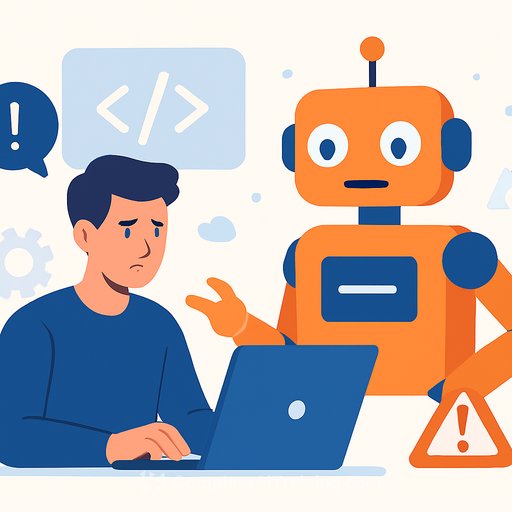
When layoffs cut staff, they cut organizational muscle. Remaining employees absorb not just extra work, but anxiety, risk, and responsibility. Fewer collaborators. Fewer people to share blame.
Cost Reduction, Dressed Up as Progress
Nvidia's Jensen Huang criticized this approach at GTC 2026. "Those leaders who rely on layoffs to deal with AI are simply because they can't think of any better solutions," he said. "They have run out of new ideas."
He's right that AI should expand companies, not shrink them. But corporate managers understand the math: AI is expensive right now, and human workers remain necessary.
Tech companies may be using AI as cover for something simpler: cost reduction. When businesses stagnate, profits shrink, and growth stalls, layoffs become easier to justify. Blame AI. Cut staff. Dump work on those who remain. Force everyone to wonder if they're "adaptable" enough for the AI era.
Twitter's experience under Elon Musk set a precedent. After acquiring the company in October 2022, he laid off roughly half the workforce-more than 3,000 people-in early November. Weeks later, dozens were quietly rehired because critical roles couldn't be filled.
The Real Cost
AI will change work. That's certain. But it's not magic. It won't fix strategic mistakes, outdated operations, or poor management.
The pattern of layoffs followed by rehiring suggests companies are learning that some jobs don't disappear just because executives declare "AI has changed everything." Whether that realization stems from genuine understanding or from discovering they can't actually replace certain workers, the outcome is the same.
The people hurt in the interim-laid off, then called back weeks later-absorb the cost of corporate experimentation.
For HR professionals, the lesson is clear: AI implementation requires strategy, not slogans. Understand your actual costs. Map which roles can genuinely be automated and which cannot. Plan workforce transitions carefully. Don't use AI as an excuse to avoid hard decisions about business direction.
The companies rehiring employees they just laid off are admitting they made those decisions carelessly. Don't repeat their mistake. Learn how AI actually affects workforce planning and talent strategy, so you can guide your organization through this shift with clarity instead of chaos.
Your membership also unlocks: