
AI news ·
Boston tourism board launches AI WhatsApp trip planning with Mindtrip ahead of FIFA World Cup 2026
Boston and Mindtrip launched a WhatsApp trip planner for the 2026 World Cup. It aims to reduce crowd congestion and spread tourist spending across neighborhoods.
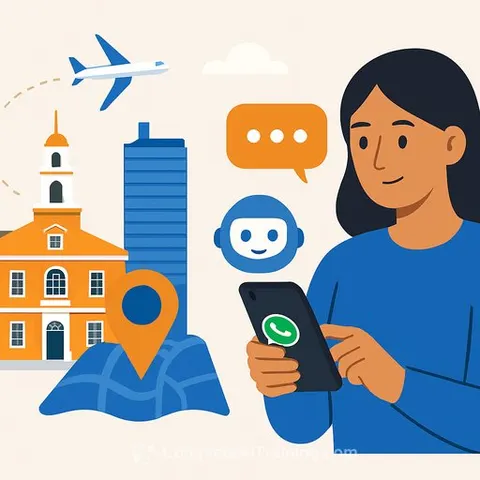
Meet Boston and AI travel startup Mindtrip launched a WhatsApp-based trip planning tool on July 1 to manage visitor logistics for the 2026 FIFA World Cup. The system aims to reduce crowd congestion at major attractions and distribute tourist spending across the city's neighborhoods.
Managing mega-event crowds
Boston expects an unprecedented number of international visitors for the 2026 tournament. City officials and tourism boards need digital infrastructure to prevent airport bottlenecks and congested attractions. The new AI system learns individual traveler preferences and generates customized itineraries in real time.
The tool integrates standard Boston landmarks like the Freedom Trail and Fenway Park into personalized schedules. First-time visitors receive structured guidance, while repeat travelers get alternative recommendations. The system intentionally routes visitors to different points of interest to prevent overcrowding at single locations.
Reaching international travelers on WhatsApp
Embedding the planning tool directly into WhatsApp removes friction for global visitors. Travelers can open the app, chat with the AI, and receive structured recommendations, travel distances, and itinerary sequencing without visiting a separate website. This approach targets mobile-first visitors and those who prefer conversational interfaces over traditional web portals.
User feedback highlights the shift in traveler expectations. One user on the r/travel community said, "AI trip planning that actually understands what I want to do? This beats scrolling through generic travel blogs." Destinations that deploy this type of personalization often see higher visitor satisfaction metrics.
Distributing tourism revenue
The strategy extends beyond crowd control to economic distribution. By directing visitors toward a wider range of neighborhoods and attractions, the system helps distribute spending more evenly across the local economy. This follows broader destination management frameworks supported by Brand USA and the United Nations World Tourism Organization.
Mindtrip already works with multiple tourism boards across the United States and international markets. Cities are adopting these tools to improve visitor flow, engagement, and sustainability. The deployment offers a practical case study for professionals exploring AI for Hospitality & Events, showing how conversational interfaces replace static guidebooks.
Why this matters for hospitality and events professionals
Mega-events require precise crowd management and resource allocation. This partnership demonstrates how destination marketing organizations use conversational AI to control visitor flow and improve the guest experience. Event planners and hospitality managers can apply similar logic to their own venues, using automated messaging to guide attendees, reduce bottlenecks, and personalize the on-site experience.