
AI news ·
BYU-Idaho computer science students learn foundational coding before using AI
BYU-Idaho bans AI for the first two semesters of its coding program to build core skills. Employers requested the delay, noting AI amplifies both competence and errors.
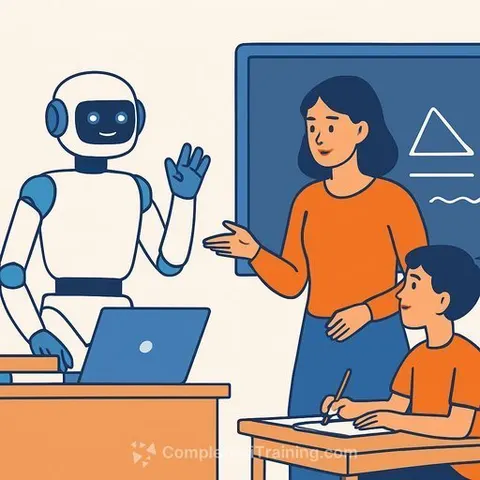
When BYU-Idaho's Computer Science and Engineering Department surveyed employers from Apple, Google, Intel, and other firms, they heard a consistent demand: graduates need to know how to use artificial intelligence - and they need strong foundational skills first. The feedback has shaped a curriculum that postpones AI use until students can code on their own, a sequence that department chair Nathan Jack says protects learning while still preparing students for a changing workplace.
Employers call AI 'a magnifier'
The phrase Jack heard from hiring managers was simple: "AI is a magnifier." If a student knows how to code, AI will amplify their productivity. If they don't, the tool can amplify their weaknesses and create bigger problems. "They want you to know how to use AI," Jack said. "The phrase they've told me is, 'AI is a magnifier.' If you know code, AI will amplify what you can do. If you're not good at coding and you use AI, it can amplify your weaknesses and make bigger problems."
That employer feedback directly influences how the department designs its introductory courses. For the first two semesters, all foundational code work is done without AI assistance. Instructors even use paper handouts where students must interpret code by hand. "We can never let AI rob us of learning," Jack said. "One way we address that with our in-person classes is we'll do paper handouts where we say, 'Here's some code, tell me what it does.' You have to do it with a pencil in class."
AI integration comes after mastery
Once students demonstrate proficiency in coding fundamentals, AI tools become part of assignments. The shift allows projects that once took an entire semester to be completed in weeks, but still requires students to direct and verify the AI's output. "The human is still needed," Jack said. "Embrace AI and learn how to use it."
New programs reflect industry expectations
BYU-Idaho has added an AI engineering minor that covers how AI systems work, are trained, and are built. A new information systems degree blending business, technology, and AI is also in development. These additions are part of a campus-wide effort that includes an AI readiness rubric and resources like an AI Learning Path for Teachers designed to help faculty gain their own fluency. The university uses the rubric to assess how well programs prepare students with AI skills and align curriculum with industry needs.
"We're trying to make sure our programs are relevant," Jack said, "and that we're offering what businesses need today and the things we teach are what the students need to know."
Why this matters for education professionals
The BYU-Idaho model underscores a principle that applies well beyond computer science: AI tools should support, not shortcut, the development of core competencies. For teachers and administrators, the message is to evaluate whether their own programs require students to build foundational knowledge independently before layering on AI. Resources such as the AI for Education tag collection can help institutions explore strategies that keep human skill at the center. As Jack put it, "Embrace AI and learn how to use it."