Cameroon Launches National AI Strategy with a 2040 Vision
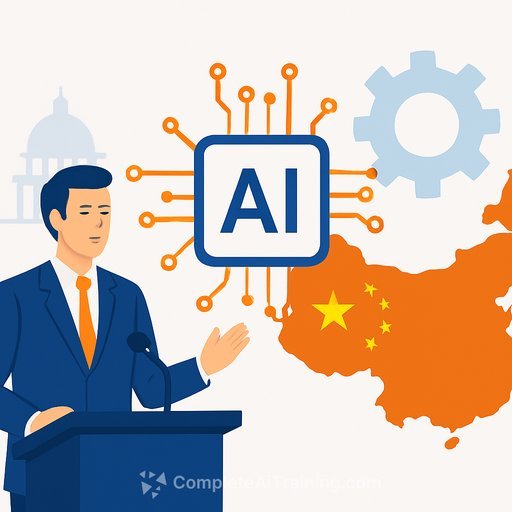
Cameroon’s government has introduced its first National Artificial Intelligence Strategy (SNIA), setting a clear framework to build AI capacity across key sectors. The goal is to position Cameroon as a leading AI innovator in the Central African region by 2040. The strategy was unveiled by Minister of Posts and Telecommunications, Minette Libom Li Likeng, during the second National Consultations on AI (CONIA).
This long-term plan focuses on embedding AI into governance, infrastructure, education, and economic development. It emphasizes principles of sovereignty, inclusiveness, and sustainability to ensure ethical and culturally relevant AI deployment.
Seven Strategic Pillars of Cameroon’s AI Roadmap
- Governance and Digital Sovereignty
Creation of a dedicated AI Authority and a Presidential Council on AI. A national legal framework will regulate ethics and coordinate implementation across ministries. - Data and Infrastructure
Development of a government Data Lake, digitisation of public services, interoperability standards, and an Open Data policy to support large-scale AI use. - Multilingual and Inclusive AI
Launch of “GPT Cameroon,” a sovereign large language model supporting local languages. This includes voice data collection and linguistic research to increase language representation in digital tools. - Sovereign Technological Infrastructure
Deployment of 15 edge computing nodes powered by solar microgrids to ensure energy-resilient AI processing nationwide. - Human Capital and Research
Annual training for 4,000 people, establishment of five national AI centers of excellence, and programs to attract diaspora talent. Research capacity will be strengthened to support innovation. - Innovation and Sectoral Use Cases
Promotion of AI applications in health, agriculture, education, and justice. Startup support and sector-specific initiatives will accelerate AI adoption. - Regional and International Cooperation
Creation of a Central African regional AI network, alongside initiatives to export AI tools developed locally under the “Made in Cameroon” label.
Government estimates suggest that the strategy’s implementation could generate 12,000 direct jobs and increase AI’s contribution to GDP by up to 1.2% by 2040. The SNIA is expected to guide investment, institutional reforms, and partnerships, supporting Cameroon’s goal to boost public services, industry growth, and digital sovereignty.
For professionals in government and human resources, understanding this strategy highlights opportunities for workforce development, regulatory planning, and cross-sector collaboration in AI. Training programs and centers of excellence will require skilled management and coordination to realize these goals.
To explore AI training programs relevant to public sector and HR roles, visit Complete AI Training’s courses by job.
Your membership also unlocks: