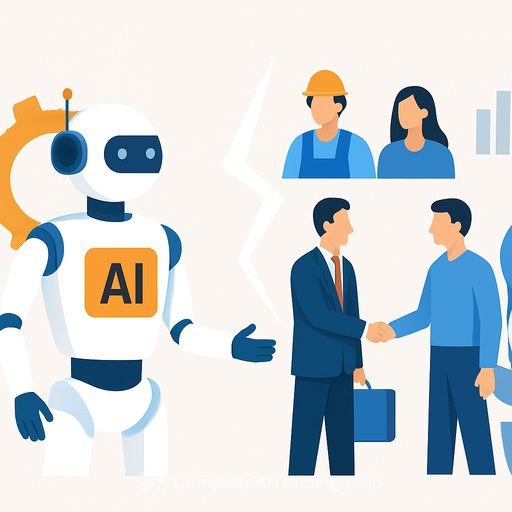
CEOs and AI: The Growing Disconnect with CIOs and CDOs
CEOs are embracing the promise of AI, yet CIOs and CDOs approach it with caution, seeing the challenges that come with implementation. More than half of CEOs doubt their CIOs have the AI expertise required to meet short-term organizational needs. This raises serious concerns about CIO job security and the enterprise’s ability to execute AI strategies effectively.
According to a Gartner survey from mid-2024, only 44% of CEOs believe their CIOs possess the savvy to guide AI initiatives through 2026. Confidence in chief data officers is even lower, with just 40% of CEOs rating them as AI proficient, and fewer than 20% trusting the AI skills of other C-suite executives.
CEOs’ High Expectations vs. Reality
Another study found that most CEOs believe AI can offer better business advice than their boards or senior executives, highlighting how much the AI hype has influenced their views. However, the gap in perception about CIO and CDO expertise may stem from CEOs seeing AI as a transformational force rather than merely a technology tool.
Without AI-savvy leadership, enterprises risk falling behind their competitors. Technology expertise in leadership enhances strategic decision-making, uncovers innovation opportunities, optimizes operations, and mitigates risks linked to disruptions.
Executives skilled in AI can filter out vendor hype and focus on what truly matters for the organization.
Responsibility for AI Training and Upskilling
The survey signals an urgent need to discuss training and development. If current perceptions of CIO and CDO AI skills are accurate, organizations must act to close this gap. Both individuals and companies share the responsibility to improve AI knowledge.
Continuous learning, cross-functional collaboration, mentorship, and networking are essential to build AI competence at the leadership level. This collective effort is critical as companies adopt more advanced technologies.
Supporting this concern, a 2024 IBM survey found only 36% of executives believe their IT teams deliver basic services effectively.
CEOs’ Fear of Missing Out and the Reality of AI Implementation
Some IT leaders suggest that CEOs’ doubts about CIO expertise may come from misunderstandings about AI’s current capabilities. CEOs often hear optimistic messages at conferences about AI’s ease and power but may not grasp the complexity involved in security, privacy, cost, and compliance.
Boris Kolev, global CIO at JA Worldwide, explains that CEOs’ eagerness to adopt AI tools sometimes clashes with the practical challenges CIOs face. This gap fuels unrealistic expectations.
Yvette Schmitter, CEO of Fusion Collective, notes most CIOs and CDOs understand AI technology better than CEOs, who may be impressed by flashy vendor demos. The perceived lack of CIO expertise is more about a disconnect between CEO expectations and operational realities.
Issues like chatbots malfunctioning or AI-related security breaches justify cautious rollout of AI. What appears as hesitation is actually prudent risk management to protect the organization.
Ronnie Pisani, CIO at NinjaCat, adds that the difference lies in timelines: while CEOs focus on immediate headlines, CIOs work patiently on foundational AI deployment amid legacy systems and fragmented data.
Connecting AI to Business Growth
Beyond timelines, the biggest challenge is translating AI into business value. CEOs want clear answers on how AI drives growth, not technical lessons.
Assaf Melochna, cofounder of Aquant, urges CIOs and CDOs to shift their focus from pure technology to product ownership and business strategy. The fast pace of AI demands leaders who can keep CEOs informed about market realities and opportunities.
Building trust means showing how AI initiatives align with business goals and deliver measurable outcomes.
Closing the Gap
- CEOs must balance enthusiasm with realistic expectations and seek deeper understanding of AI’s challenges.
- CIOs and CDOs should prioritize upskilling, business communication, and strategic leadership.
- Collaboration between CEOs, CIOs, and CDOs is crucial to unlock AI’s potential while managing risks effectively.
For executives interested in strengthening AI leadership skills, exploring targeted training programs can be valuable. Resources such as Complete AI Training offer courses designed to build practical expertise for technology leaders and strategists.
Bridging this divide between CEO ambition and CIO execution requires patience, clear communication, and a shared focus on realistic, business-driven AI adoption.
Your membership also unlocks: