CEOs Double Down on AI Investments Despite Challenges
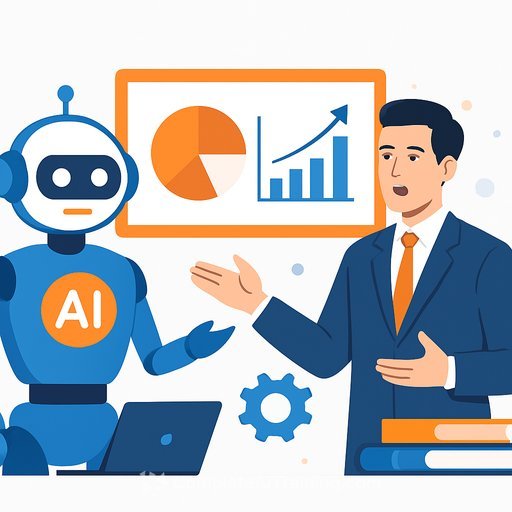
CEOs around the globe are increasing their investments in artificial intelligence, expecting the growth rate of these investments to more than double over the next two years. This surge is driving a wave of AI-related hiring and reskilling initiatives, as revealed in a recent report by IBM’s Institute for Business Value.
In a survey of 2,000 CEOs, 61% reported actively adopting AI agents and preparing to deploy them at scale. However, half also acknowledged that rapid investments have created gaps between technology and expertise, leading to disconnected efforts.
Leadership, Talent, and Strategy Are Key
Success in AI adoption relies heavily on strategic leadership and specialized talent. Nearly 70% of CEOs emphasized the importance of maintaining a diverse leadership team with deep strategic insight and decision-making authority. Meanwhile, 67% said having the right expertise in the right positions, supported by appropriate incentives, is critical for standing out in the market.
Yet, barriers persist. CEOs identified lack of collaboration across organizational silos, risk aversion, and expertise shortages as the main obstacles to innovation. To address these, about one-third of the workforce will require retraining or reskilling over the next three years.
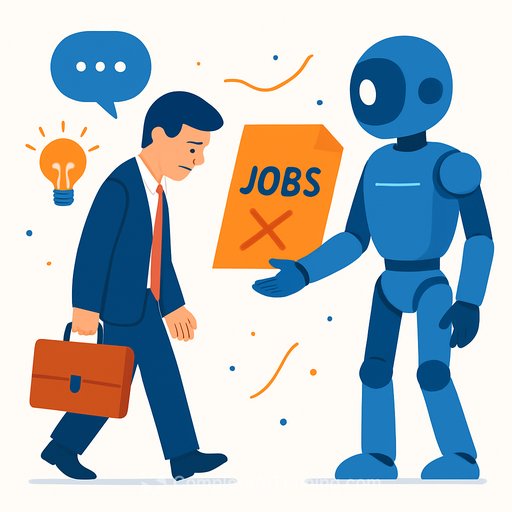
Automation is also seen as a solution, with 65% of CEOs planning to use it to fill skill gaps. Additionally, 54% of CEOs are hiring for AI roles that didn’t exist just a year ago, reflecting the evolving nature of the workforce.
Internal Challenges and Employee Resistance
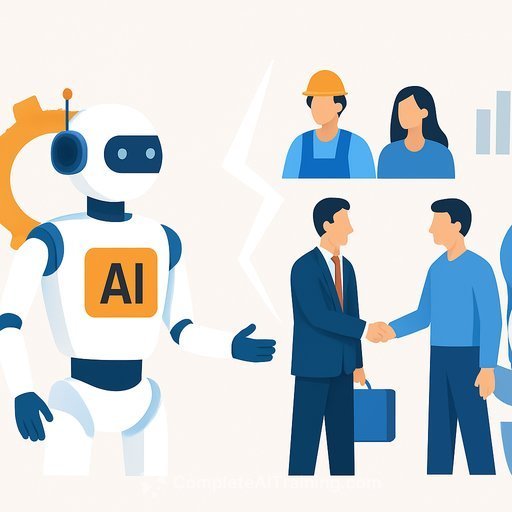
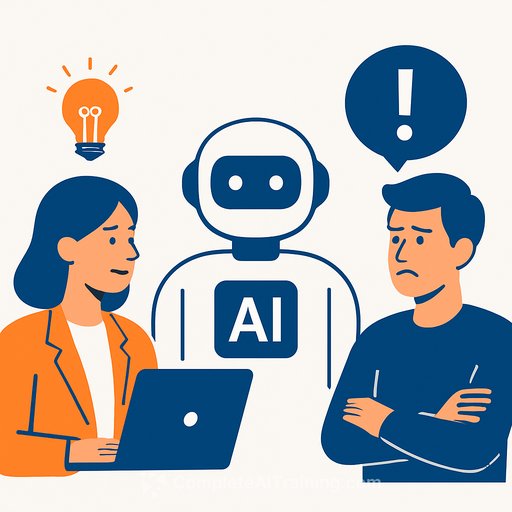
A separate survey by Writer highlights internal conflicts arising from AI adoption. Around two-thirds of leaders said AI tools have caused division between IT and other teams, as well as between executives and employees. Some employees even admitted to resisting or undermining their company’s AI efforts.
Skills Demand and Productivity Gains
Job seekers and employees recognize the importance of digital fluency. A report from CompTIA shows a strong interest in building skills in soft skills, data analysis, cybersecurity, and AI tools.
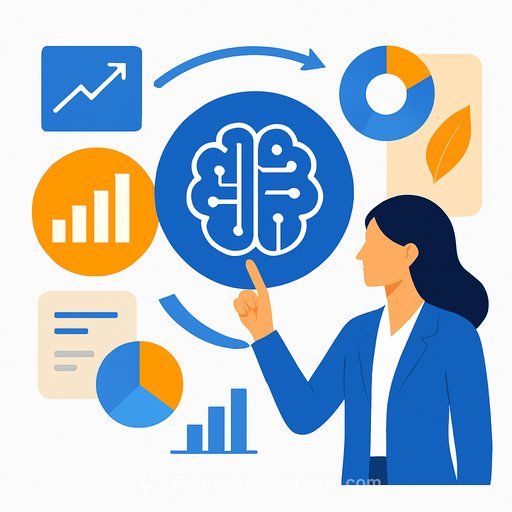
Generative AI users see tangible productivity improvements. According to a study by the Federal Reserve Bank of St. Louis, workers who regularly use generative AI boost their productivity by about 33% per hour of usage and save an average of four hours or more weekly.
Practical Steps for Executives and HR Leaders
- Focus on building leadership teams with clear strategic authority.
- Invest in targeted retraining and reskilling programs to close skill gaps.
- Encourage cross-department collaboration to reduce silos.
- Address employee concerns and resistance through transparent communication and involvement in AI initiatives.
- Leverage automation thoughtfully to complement human talent.
For organizations looking to strengthen their AI capabilities and workforce skills, exploring comprehensive training options is essential. Resources like Complete AI Training’s latest courses offer tailored programs to help teams upskill efficiently.
Your membership also unlocks: