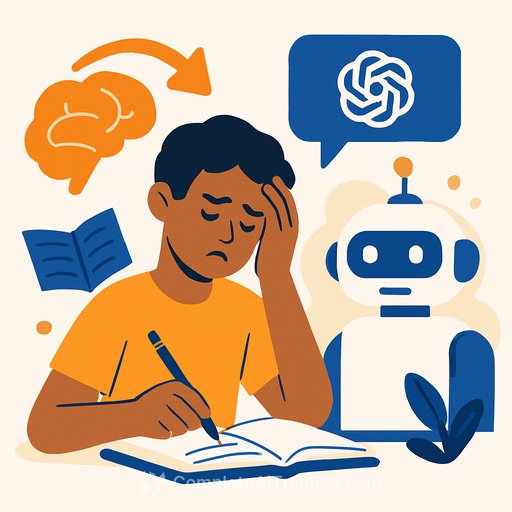
Tech AI and Learning Retention: Does ChatGPT Help or Hurt?
New Study Sheds Light on How Artificial Intelligence Changes How We Learn
Artificial intelligence (AI) and large language models (LLMs), like ChatGPT, are changing how we approach learning. These tools offer instant answers and can adapt to individual needs, but their impact on long-term learning retention is raising questions among experts.
How AI Changes the Learning Experience
AI-powered platforms adjust to each learner's pace and style, which can boost engagement and improve retention by up to 30%. Features such as adaptive quizzes, intelligent tutoring, and spaced repetition help reinforce memory and make information stick. For learners who find traditional methods challenging, AI can make education more accessible and inclusive.
The Double-Edged Sword: Convenience vs. Deep Learning
Recent research from the University of Pennsylvania's Wharton School shows that participants using ChatGPT for research had a weaker grasp of topics and produced fewer original ideas compared to those using traditional search engines. The quick, ready-made answers AI provides reduce the need for critical thinking and active engagement—both essential for lasting learning.
A 2024 study with high school students found that while AI users performed better on immediate tasks, they scored lower on later tests requiring recall without AI support. Passive use of AI—simply asking for answers—tends to lead to superficial learning and quick forgetting.
Why AI Affects Learning Retention More Than You Think
Experts highlight a motivation issue: if learners believe AI is smarter, they may put in less effort. This results in shallow processing and weaker retention. Over-reliance on AI also limits practice with critical thinking and problem-solving, which are crucial for deep, durable learning.
Finding the Right Balance with AI and Learning Retention
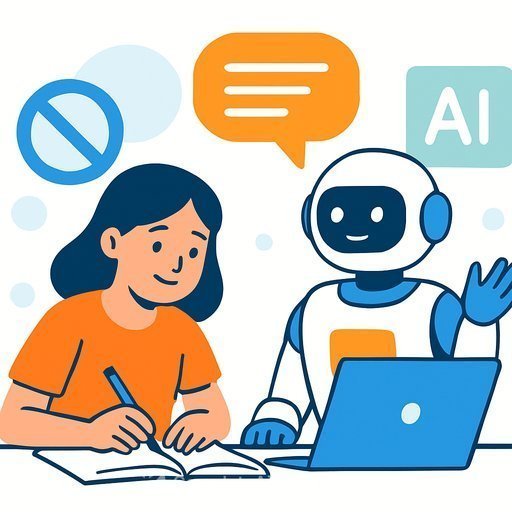
AI isn’t inherently harmful to learning. When used intentionally—such as prompting students to critique AI-generated content or ask deeper questions—it can enhance engagement and support retention. The key is to use AI as a supplement, not a replacement, for active learning and human guidance.
Educators play a crucial role by designing lessons that encourage critical interaction with AI and reflection on what students learn. This approach can help capture AI’s benefits while limiting its downsides.
Key Takeaways for Educators
- AI offers personalized, accessible learning options but can undermine deep understanding if used passively.
- Active engagement with AI tools is essential to maintain strong learning retention.
- Encouraging critical thinking and self-directed learning helps ensure knowledge sticks over time.
- Educators should integrate AI thoughtfully, promoting interaction that goes beyond just getting quick answers.
For educators interested in practical ways to incorporate AI tools and improve learning outcomes, exploring targeted AI training courses can be valuable. Resources like Complete AI Training’s latest AI courses offer guidance on using AI effectively in education.
Your membership also unlocks: