
AI news ·
China moves to stop AI startups from leaving for Western capital and markets
China is blocking AI startups from moving to the U.S. or other Western markets, using licensing rules and approval delays to keep companies at home. The crackdown targets firms that sought funding abroad through hubs like Singapore.
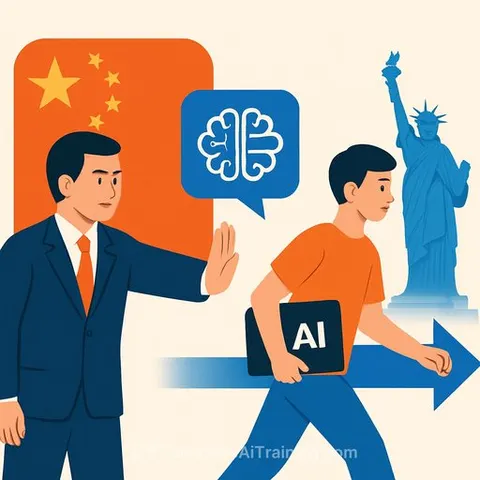
China tightens controls to keep AI startups from moving West
Chinese authorities are moving to prevent homegrown AI startups from relocating to the United States and other Western markets, according to a dozen people working in the sector inside and outside China. The effort reflects Beijing's concern about losing talent and capital in a field where the U.S. maintains a competitive edge.
The restrictions target companies seeking funding and market access abroad. Startups attempting to leave face new bureaucratic hurdles that make relocation more difficult and costly.
For government officials overseeing technology policy, the shift signals a harder line on capital controls and talent retention. It also underscores how AI competition between the U.S. and China now extends beyond technical capability to include regulatory strategy.
The moves come as Chinese AI companies have increasingly looked to Singapore and other regional hubs as springboards to Western investment. Those routes now face new friction.
What this means for policy makers
Government agencies responsible for foreign investment, export controls, or technology oversight should expect Chinese authorities to use administrative tools-licensing requirements, approval processes, and capital restrictions-to keep AI companies domestic.
This approach mirrors broader efforts to retain other strategic industries. It reflects a shift from encouraging outbound investment to restricting it selectively in sectors deemed critical to national competitiveness.