Chinese Game Company Tests AI Replica of Former HR Specialist
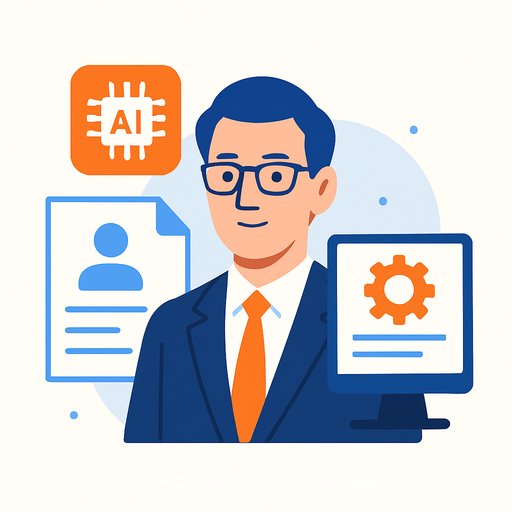
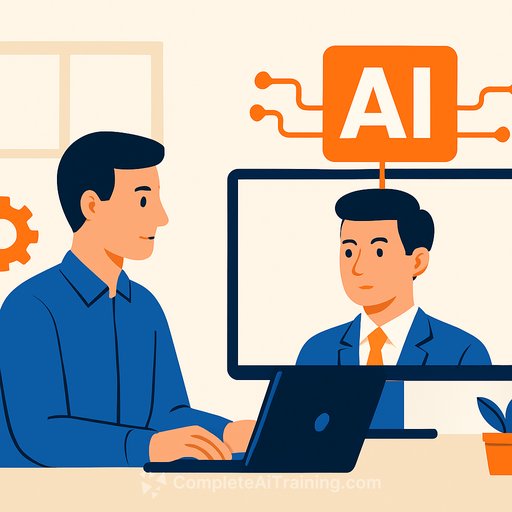
A game media company in Shandong, China trained an AI "digital avatar" based on a former human-resources specialist to continue handling his routine office tasks after his departure, according to Securities Times, a state-owned news outlet. The company conducted the test with the former employee's consent.
The AI system handles consulting requests, sends interview invitations, and generates presentation slides and spreadsheets. A current employee described it as performing these functions adequately but noted the system remains limited to simple instructions and operates "a bit clumsily."
The case sparked discussion on Chinese social media, with commenters raising concerns about data ownership and worker compensation. Some questioned whether employees should receive royalties when their work patterns and communication styles are converted into training data for commercial AI systems.
Legal Risk for Employers
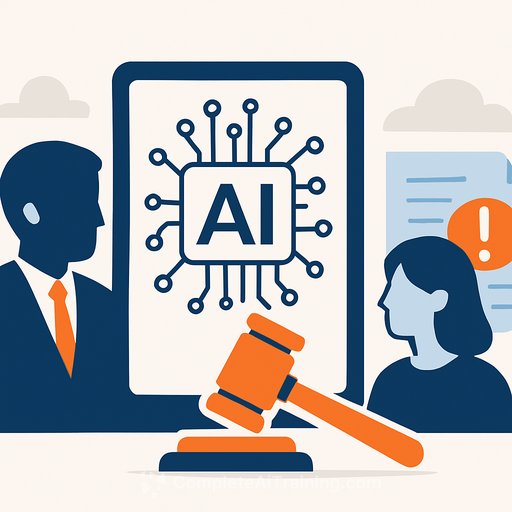
Chinese lawyers warned that the data underlying such workplace replicas-chat histories, work emails, and personal work habits-qualifies as personal information under Chinese law. Private communications may constitute sensitive personal information.
Training AI systems on this material without explicit consent violates China's Personal Information Protection Law. Penalties for unauthorized use range from fines to three years in prison or detention. In cases involving the sale or provision of personal information, penalties can extend to three to seven years in prison plus fines.
Interest in always-on AI agents is rising across China, according to Japanese news outlet Sankei Shimbun, making these legal questions increasingly relevant to HR departments and compliance teams.
For HR professionals, this case illustrates the gap between what technology can do and what employment law permits. Understanding consent requirements and data protection obligations is now essential when considering AI automation of workplace functions.
Learn more about AI for Human Resources and AI Agents & Automation to understand how these tools fit within legal and ethical boundaries.
Your membership also unlocks: