Civen AI and the New Cover Letter Reality for HR
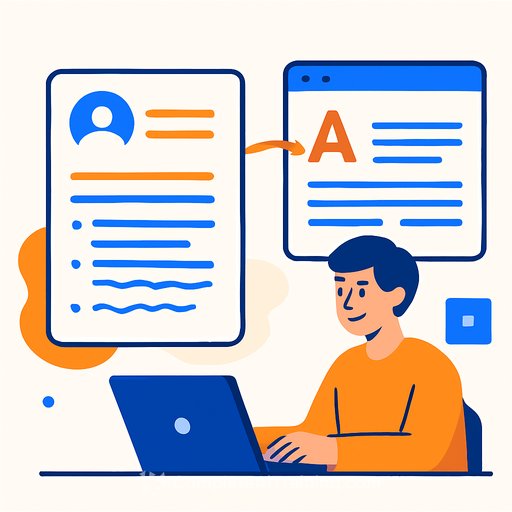
Civen AI helps candidates produce professional, job-specific cover letters in minutes. It analyzes a job description, surfaces relevant experience, and suggests phrasing that fits industry norms. Candidates can adjust tone, voice, and format so the document sounds like them while staying consistent and polished.
For HR, that means more applicants will submit sharp, on-point letters at volume. The signal you rely on from writing quality alone will shrink. It's time to tune your process.
What the Tool Does (and Why It Matters)
- Parses job posts, maps candidate experience, and suggests concise, impact-focused language.
- Lets users set tone and style to match their personal brand without drifting from professional standards.
- Provides clarity and brevity recommendations, speeding up iterations across multiple applications.
End result: more consistent submissions that read like they were built for your role-even when produced quickly. Expect stronger alignment to your requirements on paper.
Practical Steps for HR Teams
- Rebalance screening signals. Shift weight from prose quality to proof of outcomes: metrics, scope, decisions made, and role-relevant artifacts.
- Add structured questions. Require short answers tied to the job (e.g., "Describe a time you improved X metric. Include numbers and timeframe."). Less room for generic content, more for verifiable detail.
- Tighten ATS scoring. Prioritize evidence fields and project summaries over keyword density. Reduce points for buzzwords that can be auto-inserted.
- Request truth statements. Ask candidates to confirm accuracy and authorship of claims. Focus on integrity, not whether AI helped with phrasing.
- Train reviewers. Teach teams to spot substance: context → actions → measurable results. Reward specificity and relevance over polish.
- Monitor fairness. Document how you use cover letters, track adverse impact, and align with guidance on AI in employment decisions. See the EEOC's initiative on AI and fairness here.
Trend Themes
- AI-personalized applications: Highly customized submissions at scale may reset expectations for relevance and specificity, reducing the edge of mass-apply tactics.
- Automated professional writing: Faster, role-focused documents compress time-to-apply and could shift the perceived value of external copywriting support.
- Tone-and-brand control: Dynamic voice settings enable stronger differentiation based on communication style, not just credentials.
Industry Implications for HR
- Recruiting platforms and ATS: Expect more aligned cover letters. Parsing and scoring may need updates to avoid overvaluing keyword-perfect content.
- Career coaching and edtech: Coaching will move from "how to write" to "how to position," with more focus on portfolios, outcomes, and proof.
- Compliance and authenticity: Growth in AI-authored content raises new questions on bias, verification, and documentation. Clarify policies and keep audit trails.
How to Pilot This Inside Your Team
- Run a controlled test. Sample 50-100 recent applications. Re-score using a rubric that prioritizes evidence, context, and relevance. Compare pass-through rates.
- Add one new question. Insert a role-specific prompt that demands numbers, tools used, and timelines. Measure improvement in signal per minute of reviewer time.
- Adjust templates. Update rejection and progression notes to reflect the new rubric so feedback loops stay consistent across recruiters and hiring managers.
Bottom Line
Cover letters are getting smarter and faster to produce. Your edge comes from tightening the questions you ask, the evidence you reward, and the way your systems score substance over style.
If your team wants structured training on AI skills by job function, explore curated learning paths such as the AI Learning Path for Training & Development Managers, or browse other role-based courses here.
Your membership also unlocks: