
AI news ·
Clarium sharpens focus on AI cyber risk and supply chain security at healthcare IT forums
Clarium is targeting hospital executives with a message that AI-enabled medical devices pose real cybersecurity and supply chain risks. The firm pairs regulatory guidance with documented incidents at Stryker and Intuitive Surgical to make the case.
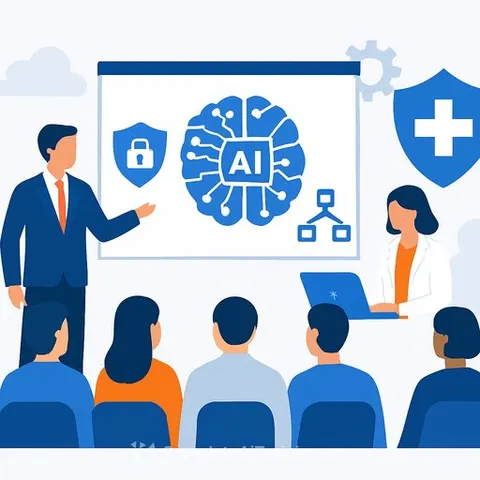
Clarium Sharpens Focus on AI Cybersecurity Risks in Hospital Supply Chains
Health IT and supply-chain analytics firm Clarium is positioning itself around a growing concern for hospital executives: the operational and regulatory risks posed by AI-enabled medical technologies.
The company highlighted recent guidance from the Health Sector Coordinating Council on managing AI-related cyber risk in hospital supply chains. Clarium paired fictional cyberattack scenarios with real incidents at Stryker and Intuitive Surgical to demonstrate that connected medical devices now present material threats to hospital operations.
This messaging strategy reflects a shift in how vendors approach the market. Rather than promoting AI as a solution, Clarium is framing cybersecurity and vendor oversight as strategic priorities for health system executives.
Supply Chain as Competitive Ground
Beyond cybersecurity, Clarium continues to position its core platform as a way for hospitals to crowdsource data and reduce supply chain waste. At the IDN Summit & Reverse Expo in Orlando, the company presented itself as a collaborative layer that breaks down silos across hospital networks and improves resource allocation.
The company's conference strategy centers on direct engagement with healthcare executives through industry events and sponsored gatherings. This approach builds pipeline visibility and strengthens relationships with decision-makers in AI for Operations and supply chain optimization.
AI Adoption Moves Beyond Pilots
At the HIMSS Arizona Chapter Regional Summit, Clarium participated as an attendee and pre-summit dinner sponsor. The event's focus on burnout, AI, and connected care reflected a broader market shift: AI is moving from pilot projects to core components of healthcare delivery.
Clarium's positioning around interoperability, real-time data, and workflow integration aligns with what healthcare executives are prioritizing. Long sales cycles remain a challenge, but the company's visibility in AI for Healthcare integration projects could support adoption over time.
What This Means for Health System Leaders
The week demonstrated how vendors are reshaping their messaging to match executive priorities. Cybersecurity and risk management are no longer secondary concerns - they now drive purchasing decisions and budget allocation.
Health systems evaluating AI-enabled clinical and operational tools should expect vendors to emphasize compliance frameworks, incident mitigation, and vendor oversight as standard offerings. The companies gaining traction are those helping executives demonstrate security posture and manage supply chain exposure, not just those selling the technology itself.