
AI news ·
ClickOut Media publishes AI articles under fired freelancer's byline
ClickOut Media published five AI articles under fired freelancer Ben Touati's name without consent. He filed a GDPR claim to reclaim his byline.
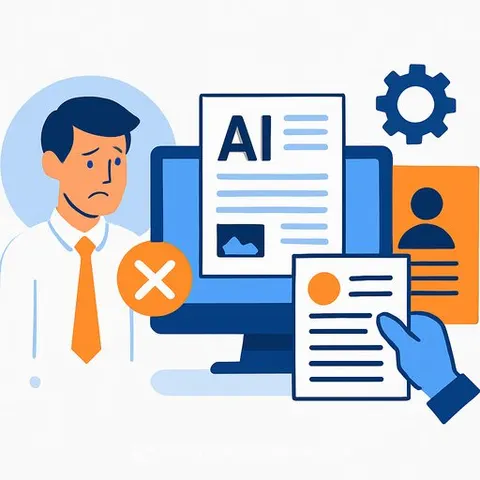
Freelance writer Ben Touati was fired from ClickOut Media in early 2026, only to discover that the publisher continued to publish new articles under his name - written by an AI. The experience, which he called a "slap in the face," highlights the growing risks writers face as outlets turn to automation without consent.
The articles started appearing just days after Touati was let go from ClickOut's German operation. "The five articles were just like lazy, obviously slop, obviously there's not a real person that is behind that," Touati told Press Gazette. The Stockholm-based writer said the AI-generated pieces fell far below the standards he maintained for his own work.
ClickOut Media did not address why it used a former employee's byline. In a statement, the company said, "We use AI-assisted content where appropriate in tandem with human checks and edits. We continue to evolve our AI agents to be more accurate and improve our human editorial processes."
ClickOut's history with fake AI journalists
The company has been at the center of earlier AI content scandals. This year, an article on its site Videogamer was traced to a bogus AI journalist, and other outlets ClickOut had acquired were found to feature fabricated author profiles - with AI-generated photos - across multiple sites.
Touati, who worked with ClickOut from early 2024, was moved between its properties - including Techopedia, iGaming, and Esports Insider - often at the whim of managers. He described constant pressure to use AI tools to produce articles, with managers telling him, "It's almost impossible to get by without AI these days." Staff were shown a video on how to create and "humanize" AI-written content. "I just left the video running and didn't pay attention to it," Touati said.
A GDPR claim to reclaim a byline
In early 2026, managers informed Touati that multiple freelancers were being let go because there wasn't enough work - everyone had "upscaled" productivity with AI. He was told his own dismissal was tied to Esports Insider being de-indexed by Google. By late May, he found that the site was still publishing stories under his name.
Touati used the European Union's General Data Protection Regulation to file a claim against ClickOut for misusing his personal information. The company later removed his byline, and the articles now appear under a different writer's name.
Why this matters for writers
The case shows how easily a byline can be hijacked after a working relationship ends. For freelancers and staff writers, the misuse of a name on AI-generated content can damage a professional reputation built over years. Understanding your rights under data protection laws - and monitoring your byline after leaving a publication - is becoming a necessary part of the job. As AI-generated content becomes more common, writers may find it useful to explore AI for Writers training to better understand the tools publishers are using and the ethical boundaries that should exist.