
AI news ·
Clinicians and patients share six major AI concerns as healthcare adoption grows, Wolters Kluwer finds
A June 2026 Wolters Kluwer Health survey found 72% of clinicians fear ads in AI apps could skew medical advice. Governance gaps, hallucinations, and unclear liability round out the top concerns shared by both clinicians and patients.
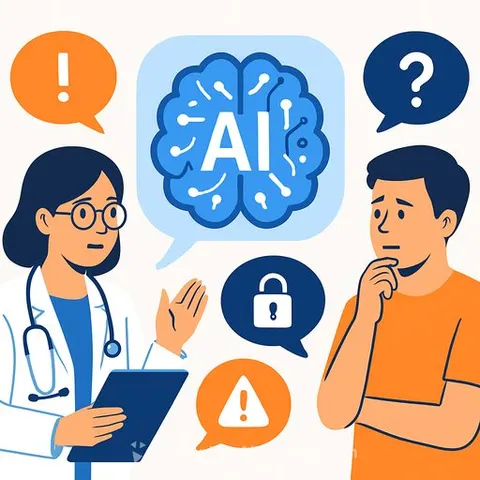
Six pressing concerns about AI in healthcare emerge from clinician and patient survey
Clinicians and patients agree on one thing: healthcare AI needs guardrails. A June 2026 survey by Wolters Kluwer Health found both groups view clear rules for AI deployment as essential, even as the technology becomes standard across U.S. healthcare systems.
The survey identified six concerns that rank highest among healthcare workers and patients. Here's what the data shows.
1. Advertising bias in AI responses
Seventy-two percent of clinicians and 61% of patients worry that ads embedded in AI apps could skew medical advice. While many generative AI tools operate without advertising, some consumer and professional health apps do carry ads.
Both groups fear that pharmaceutical and medical device companies could influence AI answers about treatment decisions through paid placement.
2. Governance policies remain unclear
Clinician awareness of formal AI governance policies within their own organizations barely budged year over year-rising from 21% in 2025 to 27% in 2026.
Healthcare organizations may lack effective programs to ensure appropriate AI tool selection and proper safeguards. Communication of these policies to staff appears to be a particular weak point.
3. Fear of losing clinical skills
Three-quarters of clinicians worry that relying on AI will erode their own medical expertise. About half want AI systems to explain their reasoning in detail.
The survey found a bright spot: 77% of clinicians already double-check AI answers against original sources like PubMed or UpToDate. Seventy-eight percent of patients expect this verification to happen.
4. AI hallucinations create confidence gaps
Seventy-four percent of clinicians cite AI hallucinations as a major concern affecting their ability to practice safely. Yet 73% say they feel confident spotting clinically invalid answers without cross-checking sources.
That leaves 25% of U.S. clinicians uncertain whether they can identify incorrect medical information on their own.
5. Accountability for patient harm remains murky
Seventy-five percent of patients are concerned about who bears responsibility if AI contributes to medical harm. Many legal and ethical questions remain unanswered when a clinician follows an AI app's guidance and a patient is injured.
Even with clear terms of service limiting an app's role in decision-making, clinicians and healthcare organizations may not be fully prepared to manage the risks AI introduces to patient care.
6. Demand for human validation of AI sources
More than 90% of clinicians and 89% of patients believe human experts should validate the sources behind AI-generated healthcare content used in patient care.
Both groups recognize that healthcare decisions-whether treating routine infections or making life-or-death choices-require human judgment in ways other domains don't. Patients and clinicians want experienced professionals testing and confirming what goes into AI systems rather than relying on unvetted approaches.
Learn more about AI for Healthcare implementation and governance practices.