How to Close the AI Value Gap
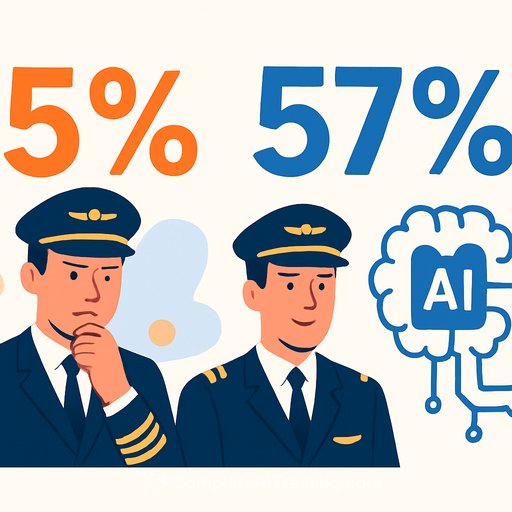
Organizations are investing heavily in AI, from pilot projects to full-scale rollouts. The goal is clear: boost efficiency, spark innovation, and gain a competitive edge. Yet, most fall short of expectations. Research involving nearly 1,400 AI executives shows only 15% have set clear ROI targets, even as 44% of companies scale generative AI initiatives. This highlights a growing disconnect between AI capabilities and actual business value—a gap often called the AI value gap.
The Real Barrier: Organizational Readiness, Not Technology
AI is no longer an exclusive tool for experts; it’s becoming a core feature embedded across organizations. Success depends less on technology and more on transforming how the entire organization works. This transformation involves multiple layers:
- Strategy & Governance: Define why the organization is adopting AI, what value it aims to create, and ensure responsible management of AI initiatives.
- Process Design: Align operations and data flows with AI capabilities to support smarter decision-making.
- Technology: Build the necessary infrastructure to support AI tools and workflows.
- Process Implementation: Integrate AI into daily workflows, configure tools, update procedures, and train teams.
- Adoption: The crucial final step, where employees consistently and confidently use AI tools, making AI part of the organizational culture.
Many organizations focus on AI tools and data infrastructure but overlook the culture needed to embrace these changes. Employees must feel empowered and confident to use AI effectively. According to a recent survey, 46% of business leaders cite employee adoption as a top challenge in AI strategy for 2025. Addressing this requires proactive change management that considers people and processes.
Embracing Change Management for AI Success
Access to AI tools is easier than ever, but adoption that drives value is harder. AI affects nearly every part of an organization, so everyone needs to understand its potential, risks, and ethical considerations. Change often triggers uncertainty, which must be managed thoughtfully.
Common human obstacles include:
- Resistance to Change: Fear of job disruption and mistrust in new technologies.
- Lack of Leadership Alignment: Without clear leadership support, AI initiatives remain disconnected from business goals.
- Cultural Inertia: Existing habits and mindsets resist shifts toward data-driven and AI-augmented work.
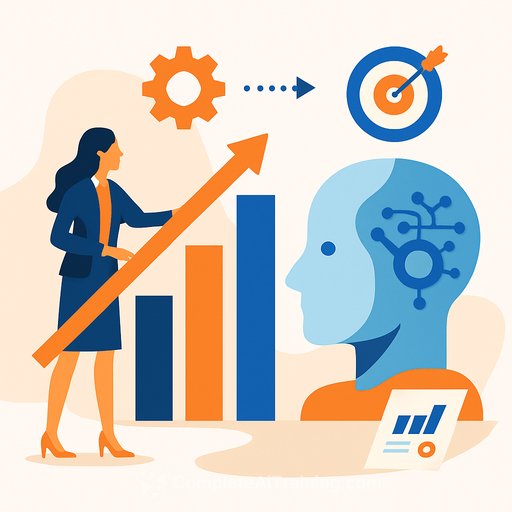
Closing the AI value gap means treating change management as a deliberate, phased process, not a checklist. This process involves five key stages:
- Establish a Unified Vision: Align leadership around a clear AI vision linked to business outcomes.
- Build Trust and Psychological Safety: Create open dialogue, involve employees early, and address ethical and role-related concerns.
- Equip People with Skills and Purpose: Provide role-specific training and hands-on experiences to build competence and confidence.
- Reinforce New Behaviors and Mindsets: Leaders should model curiosity, encourage experimentation, and embed continuous learning.
- Measure, Learn, and Adapt: Track adoption, gather feedback, and adjust strategies to maintain momentum.
Start Today with the AI Playbook
Successful AI adoption requires structure and clear guidance. Without it, promising AI projects risk stalling. To help organizations transition from experimentation to scaled AI use, a practical resource called the AI Playbook was developed. It offers a step-by-step approach with actionable activities, best practices, and real-world examples to bridge the gap between vision and execution.
The AI Playbook covers key pillars:
- Vision & Strategy: Ensure a shared understanding of AI’s capabilities and limits.
- Innovation: Focus on real challenges and user needs.
- Responsible AI: Integrate legal, ethical, and social considerations into AI development.
- People & Organization: Prepare teams for new roles and ways of working (upcoming in next version).
- AI Architecture: Build a supportive, secure, and scalable data and IT environment.
These principles apply across sectors, whether public or private. Structured guidance can be the difference between stalled AI ambitions and real impact.
Executives looking for expert support can explore services that offer everything from strategic visioning to AI architecture and delivery, turning AI investments into measurable value.
For those interested in expanding their AI knowledge and skills, resources such as Complete AI Training’s latest courses provide practical learning paths tailored to business and technology leaders.
Your membership also unlocks: