
AI news ·
Column5 outlines a risk-mitigated path from SAP BPC to AI-driven finance
SAP BPC is approaching end of life, forcing finance teams to migrate without losing audit integrity or operational stability. The transition requires strategy-parallel running, staged rollouts, and leadership alignment-not a simple platform swap.
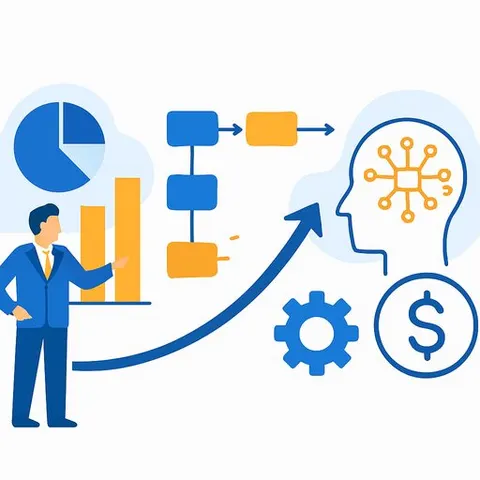
SAP BPC Replacement Demands Strategy, Not Just Technology Swap
Finance leaders face a critical decision as SAP BPC approaches end of life: how to migrate without disrupting operations. The challenge isn't finding a new platform-it's managing the transition while preserving audit integrity and maintaining executive confidence.
A practical roadmap exists for this migration. The approach centers on three elements: unifying financial planning and consolidation on a single platform, selecting solutions that handle enterprise complexity, and building in safeguards that prevent operational gaps.
The Real Problem With Rip-and-Replace
Replacing SAP BPC as a pure technology swap creates risk. Finance teams depend on their current system's stability. IT departments already carry heavy workloads. A migration that treats this as a simple substitution often underestimates the operational and compliance costs.
The better approach treats this as a transformation challenge. That means understanding what your teams actually use in SAP BPC, what delivers value, and what can improve under a new system.
Unifying Planning and Consolidation
Many enterprises run FP&A and financial consolidation on separate platforms. Migration offers a chance to consolidate these functions onto a single, enterprise-scale system. This reduces complexity for IT and creates a cleaner foundation for AI capabilities later.
The key is selecting a platform built for this dual purpose, not forcing two separate tools to work together.
Which AI Capabilities Actually Matter
Not all AI features marketed to finance teams deliver practical value. Finance leaders should focus on capabilities that address real workflow problems: faster consolidation cycles, better variance analysis, improved forecast accuracy, or reduced manual data entry.
Hype-driven features often require significant customization and deliver marginal returns. Practical AI should work out of the box and reduce the time finance teams spend on routine tasks.
Building a Risk-Mitigated Transition
A structured transition framework protects three critical areas: operational continuity, audit integrity, and stakeholder trust. This typically involves parallel running periods, documented reconciliation processes, and staged rollout rather than a single cutover date.
The CFO, Controller, and Head of FP&A should align on success metrics before migration begins. IT leaders need realistic timelines and resource allocation.
Learn more about AI for Finance and explore the AI Learning Path for CFOs to understand how modern platforms integrate AI into financial workflows.