
AI news ·
CommsCon panel finds AI shifts junior workers toward creative tasks when organizations design roles to capture freed capacity
AI is taking over routine tasks for junior creatives, but organizations must deliberately redesign roles to fill that freed time with meaningful work. Without intentional mentorship and project assignment, the opportunity is wasted.
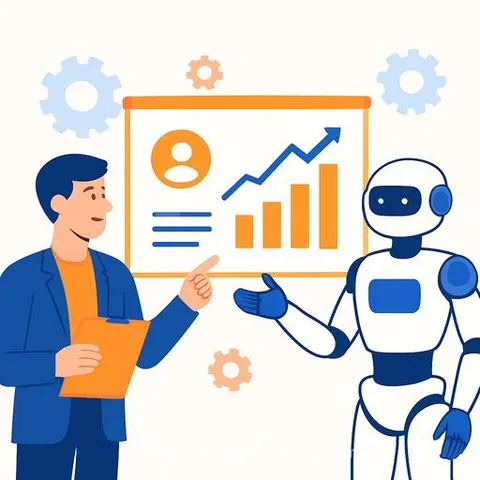
AI Is Freeing Junior Creatives From Repetitive Work. Organizations Must Capitalize on It.
A panel of communications and HR leaders at CommsCon concluded that AI is shifting entry-level work away from routine tasks, giving younger employees time to focus on creative and critical thinking. The catch: organizations must intentionally design roles and mentorship to capture that freed capacity.
The panel-featuring Jack Hazeldine, Mish Fletcher, Natasha Brack, Sean Gallagher, and Lynnette Edmonds-framed automation as a net win for junior staff when companies treat it as a redesign opportunity rather than a cost-cutting measure. Gen Z workers, already comfortable with prompt-driven tools and remote collaboration, are positioned to benefit most if managers assign meaningful projects instead of busywork.
What's Actually Changing
Repetitive, low-value tasks-data entry, routine formatting, preliminary drafts-are moving to AI tools. Humans retain responsibility for judgment and quality control. The practical implication: junior creatives should spend less time on mechanical work and more time on strategy, storytelling, and problem-solving.
But this only works if managers actively redirect that freed time. Hazeldine said apparent disengagement among younger workers often reflects different motivational priorities, not laziness. Fletcher warned that the proliferation of low-quality AI output makes experienced judgment-evaluating what's actually good-more valuable than ever.
Three Steps for Your Team
- Build checkpoints where humans filter AI output and assess quality. Train junior staff on evaluation criteria so they develop critical judgment.
- Redesign roles around creative and analytical work, not just task reduction. Assign projects that require originality and strategic thinking.
- Pair younger employees with experienced mentors. Their fresh perspective and technical fluency combined with your team's judgment creates better work.
Organizations should pilot role redefinition with measurable metrics: Does freed time translate into demonstrable skill growth? Are creative outputs improving? Is mentorship actually happening?
The Real Risk
Junior staff given only vacuous tasks-or worse, no tasks at all-lose learning opportunities. Freed time means nothing if there's no intentional work waiting to fill it. The organizations that win are those that combine younger employees' energy and comfort with automation alongside experienced hires' discernment and oversight.
For creatives specifically, this means AI handles the draft-generation and formatting grunt work. You focus on the strategy, judgment, and originality that clients actually pay for. The question isn't whether AI will change your role-it already is. The question is whether your organization designs that change deliberately or lets it happen by accident.
Learn more about how to apply AI effectively to creative work through AI for Creatives or explore AI Productivity Courses to build skills that matter in this shifting environment.