
AI news ·
Creative writing teacher says AI submissions waste her time and hinder student learning
Over 85% of students use AI in their studies, and creative writing teachers are buried in generated text that skips the thinking writing is meant to develop. The work is harder to read and easier to spot than students assume.
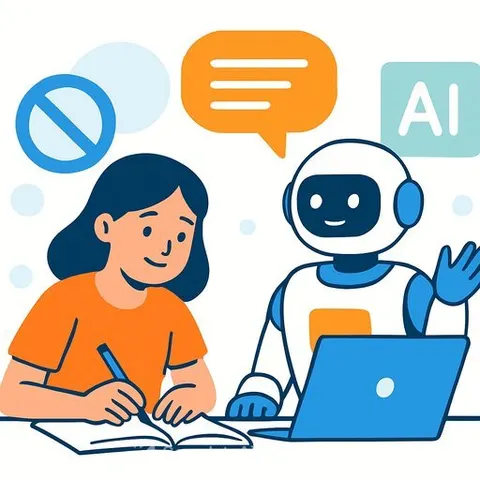
Creative writing teachers are drowning in AI-generated manuscripts
A creative writing instructor is spending valuable teaching time sorting through student work that wasn't written by students. More than 85% of students use artificial intelligence in their studies, according to recent research, and the quality of what lands on teachers' desks reflects it.
The problem isn't just academic dishonesty. AI-generated writing is difficult to read. It lacks the clarity and voice that comes from actual thinking.
Students are avoiding learning, not accelerating it
When students use AI to generate their assignments, they skip the hard part of writing-the part where learning happens. They don't struggle with clarity. They don't revise. They don't discover what they actually think.
Reading AI output requires wading through dense, generic prose. It consumes the time teachers need to spend with students who are genuinely engaged with their work.
The broader costs
AI-generated text carries hidden expenses. The systems are trained on work created by writers without permission. Running them consumes significant energy. And the technology is being pushed into classrooms by companies with financial incentives, not pedagogical ones.
None of this makes the writing better. Teachers know the difference between work produced by a thinking mind and text assembled from statistical patterns. Pretending otherwise does students no favors.
For writers navigating this shift, understanding AI for Writers and how Generative AI and LLM actually work can help distinguish between tools that assist and tools that replace the work itself.