DBS Board Challenges CEO: Could AI Replace Leadership?
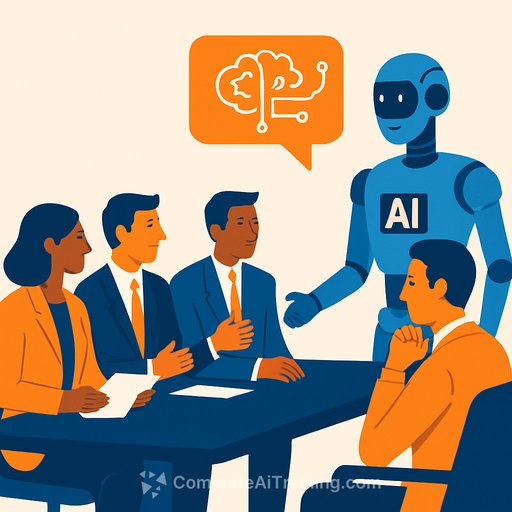
On the day Tan Su Shan was appointed CEO of DBS Group, Southeast Asia’s largest bank, the board sent her a striking WhatsApp message: “Even the CEO’s job can be replaced by AI.” This blunt statement, shared during Fortune’s Brainstorm AI Singapore conference, was meant as a challenge. Tan responded with a clear perspective: “If the CEO can be replaced, so can everything else.”
The message captures the growing urgency for leaders to rethink their roles. It’s no longer enough to manage business as usual—executives must reinvent their approach in the face of AI’s expanding capabilities.
AI’s Impact on Leadership and Business
The conference gathered over 70 global leaders to discuss AI’s influence on business and society. Tan emphasized that constant reinvention is essential to stay relevant and resilient. She framed DBS’s strategy around four core principles:
- Reinvent
- Stay relevant
- Be resilient
- Act responsibly
This framework acknowledges the tension between AI’s disruptive potential and the need for human-led adaptation. Leadership today means not just embracing AI but leading the transformation thoughtfully.
Broader Conversations at the Conference
The event went beyond corporate leadership. Singapore’s digital minister outlined a balanced AI strategy aimed at managing the U.S.-China technology competition. Executives from Asia’s data center industry discussed the rising energy demands behind AI infrastructure. Meanwhile, U.S. policy experts analyzed geopolitical tensions, including Trump’s AI plans and their global implications.
On the creative side, digital artist Refik Anadol demonstrated how AI can merge data with artistry, offering a glimpse into AI’s potential beyond business functions.
Key Questions for Executives
Panels addressed critical issues confronting leaders:
- Will AI eliminate entry-level jobs or help reduce global inequalities?
- How well can AI adapt to local languages and cultures?
- What ethical considerations must guide AI adoption?
Executives from Google, Microsoft, and Walmart provided candid insights, reflecting diverse industry experiences and concerns.
Leadership in an AI-Driven Era
Tan’s response to the board’s provocative message highlights a mindset essential for leadership today. The rapid advancement of AI demands that executives:
- Challenge complacency
- Prioritize innovation
- Balance technological adoption with responsibility
The board’s message was a wake-up call—not to instill fear, but to push leaders to evolve their roles as AI reshapes industries.
Intersecting Global Trends
The conference also reflected wider economic and political shifts. The newly announced U.S.-EU trade deal generated optimism but faced criticism for tariff imbalances. Corporate leaders, including Intel’s CEO, shared strategies focused on cost-cutting and workforce attrition as tools to boost competitiveness.
These developments underscore how AI, trade policies, and business strategies are converging to redefine the stakes for corporate leadership worldwide.
Looking Ahead: The Four R’s for Executives
Tan’s four R’s—reinvent, relevance, resilience, and responsibility—offer a practical framework. Executives must lead with agility, ethical clarity, and openness to change.
For those seeking to deepen their understanding of AI’s impact on leadership and strategy, resources like Complete AI Training’s latest courses provide valuable insights and skills aligned with today’s challenges.
Conclusion
The message from DBS’s board encapsulates a critical truth: AI’s advance forces leaders to reconsider their place and purpose. Success will come to those who embrace reinvention and balance innovation with responsibility. The real battleground lies within organizations, where leadership must redefine itself to thrive alongside AI.
Your membership also unlocks: