Designing AI-First Organizations: A Strategic Blueprint For The C-Suite
As artificial intelligence moves beyond pilots and automation tools, leaders face a critical choice: treat AI as a tactical add-on or embed it deeply into the organization’s strategy, workflows, and culture. The latter approach, where AI drives decisions and innovation, offers a lasting competitive edge.
For executives, this means more than technology adoption—it demands leadership, structural changes, and cultural readiness. Below is a clear blueprint for building an AI-first organization.
1. Make AI A Board-Level Priority
AI efforts succeed when tightly linked to business goals. Shift AI from a back-office project to a boardroom focus by identifying three to five use cases that impact key metrics like margin, time to market, or customer experience.
For example, aligning AI investments with revenue growth and supply chain efficiency has proven effective in gaining executive buy-in and prioritizing funding. The key is connecting AI outcomes directly to financial and operational KPIs.
2. Restructure For Speed And Collaboration
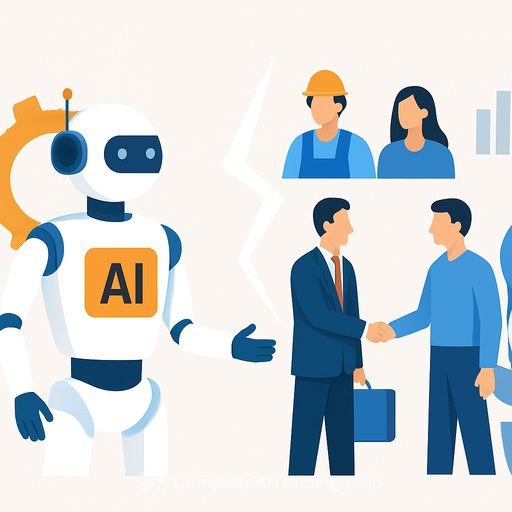
Traditional hierarchies and silos slow AI adoption. AI-first organizations use agile, cross-functional teams—often called AI Centers of Excellence—that combine data scientists, engineers, business owners, and product managers.
Research shows aligned teams can be up to 58% faster and 72% more profitable than siloed ones. These structures enable quicker prototyping, validation, and scaling while promoting shared ownership across business and technology functions.
3. Foster A Data-Driven Culture
Culture often blocks AI adoption more than technology. Leaders must champion a mindset where data, not intuition, guides decisions. This requires upskilling everyone—from frontline staff to executives—on interpreting and acting on AI insights.
Embedding AI literacy into leadership programs reduces resistance and sparks innovation. Culture change starts at the top and gains momentum when leaders visibly support and use AI.
4. Rethink Talent For An AI World
Beyond data scientists and engineers, AI-first organizations need AI translators—professionals who connect business challenges with AI solutions. Workforce enablement is critical; many employees are eager to learn new skills to stay relevant.
Investing in training and internal AI academies transforms potential disruption into engagement and growth. For practical courses and skill-building, resources like Complete AI Training offer tailored options for various roles.
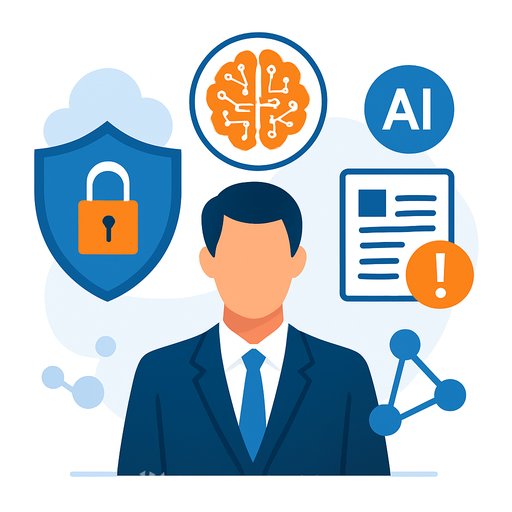
5. Implement Responsible AI Governance
AI introduces concerns about bias, transparency, and accountability. Organizations must set up governance structures including ethics councils, risk management policies, and processes for model explainability and monitoring.
Early establishment of AI governance builds trust and prevents ethical issues. Responsible AI is not just a compliance task—it supports sustainable business success.
The Leadership Imperative
Transforming into an AI-first company is a business transformation led by the C-suite. It calls for vision, commitment, and a readiness to rethink traditional approaches. CEOs and leadership teams must champion AI adoption, allocate resources smartly, and evolve organizational practices continuously.
Those who lead this shift will build organizations that are more adaptive, intelligent, and resilient in a changing business environment.
Your membership also unlocks: