
AI news ·
DOT advisor says AI cuts a two-week conference planning task to four hours
A U.S. DOT official says AI cut a two-and-a-half-week conference planning task to four hours. AI-driven HR tools now serve 85% of federal workers directly.
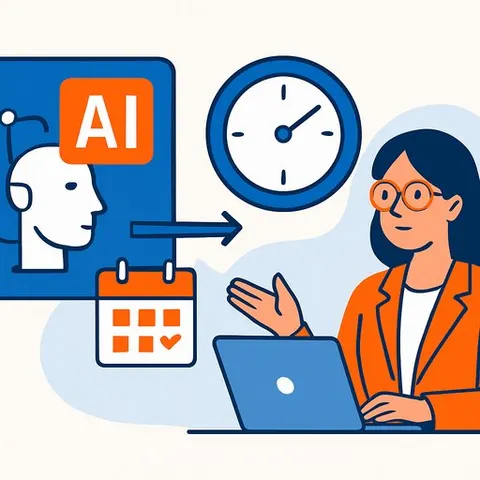
DOT Official Outlines How Federal Agencies Use AI to Cut Work Hours
Neil Chaudhry, Senior Advisor of AI for the U.S. Department of Transportation, described concrete ways federal agencies are deploying AI to reduce routine work and improve job satisfaction.
One example: AI automation reduced a two-and-a-half-week conference planning project to four hours. The system handled scheduling, logistics coordination, and administrative tasks that previously required sustained human effort.
Chaudhry said agencies should focus AI tools on tasks that make work better, not just faster. Examples include using AI to create personalized music playlists for employees or helping staff prepare for difficult conversations-applications that improve daily work life rather than simply cutting headcount.
HR Systems Reach Majority of Workforce
Modern HR platforms with AI-driven virtual agents now let 85% of the federal workforce access information independently. Employees can check wage increases, leave balances, and benefits without submitting requests or waiting for HR staff to respond.
The shift reduces routine inquiries that consume HR time while giving workers immediate answers. It also reduces friction-employees get information when they need it, not days later.
What This Means for Government Workers
These applications suggest how AI will reshape federal jobs over the next few years. Routine administrative work will disappear. Roles that focus on judgment, coordination, and problem-solving will remain.
For government professionals, the pattern is clear: learn to work alongside AI tools, or watch your daily tasks get reassigned to systems that can handle them faster.
AI for Government and AI Productivity Courses can help you understand how these systems work and where they fit in your agency's operations.