AI in Personal Injury: Technology That Deepens Empathy
AI in law is often sold on speed and cost. Useful, yes. But in personal injury, what wins cases is still human: empathy, insight, and a real feel for how an injury has changed a client's life.
With more firms adopting Generative AI and LLM - used daily by an estimated 61% of UK lawyers - the question has moved on. It's no longer just "how do we use AI?" It's "can AI help us see suffering more clearly, not less?" For personal injury teams, that's the point that matters.
AI's Role in Seeing the Real Impact of Injury
On the surface, tech and empathy can seem far apart. In practice, the right tools spotlight patterns that busy casework can miss: long-term effects, subtle changes, and inconsistencies that shift case value.
For example, AI can flag when pain levels rise while clinical notes stay flat, or when psychological symptoms start months after the accident. Those signals matter-and they're easy to overlook without structured analysis.
- Tracking symptom progression across repeated GP and consultant notes
- Identifying gaps in care that point to delay or inadequate treatment
- Analysing changes in mobility, sleep, medication use, and daily functioning
- Highlighting psychological effects that aren't obvious at first glance
- Comparing injuries with similar cases to surface likely long-term consequences
- Showing impact on work capacity, social life, and independence
Many clients struggle to express the full picture. They downplay pain, forget details, or normalise limitations. AI brings those missing pieces into view so solicitors can engage with the whole story.
Why Empathy Still Matters (Even With AI)
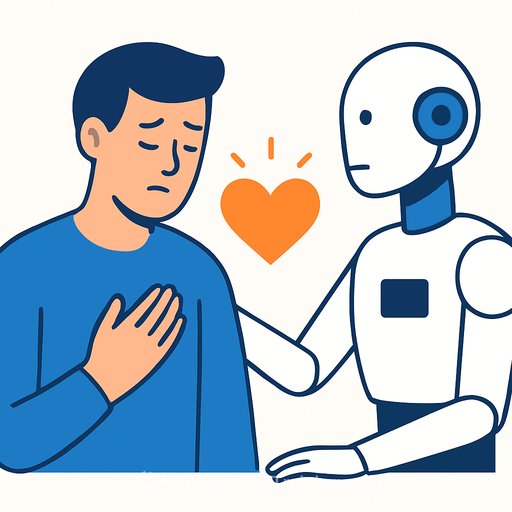
Empathy is not optional in personal injury work. It shapes the case strategy, the client relationship, and the outcome.
Here's how AI supports-rather than replaces-it:
- Clarity on lived experience: Pattern analysis can point to emotional strain or reduced quality of life, giving solicitors a grounded view of day-to-day impact.
- More time for real conversations: Automation trims admin, so fee-earners can spend time on what actually moves the case forward: listening and guiding.
- Better evidence of suffering: Empathy isn't just a feeling. It's reflected in the evidence you build. With a fuller picture, arguments for fair compensation land stronger.
Where AI Falls Short-and Why Judgment Leads
AI reads data. It doesn't read people. It can't spot pride masking pain, or hesitation that hints at trauma. It won't pick up context from tone or silence.
In personal injury, facts aren't static. Pain fluctuates. Mental health can drift months after discharge. Clients get overwhelmed. AI can surface indicators; only human professionals can interpret them. Empathy remains a legal skill-not a feature.
How Firms Are Using AI to Strengthen Empathy in Daily Casework
Medical chronology tools: Massive records condensed in minutes. That frees solicitors to interpret, not transcribe.
Long-term pattern detection: Slow-building distress or chronic pain trends are flagged earlier, often revealing impacts clients didn't realise mattered.
Better written updates: Language tools help teams keep communications clear, warm, and consistent-vital for anxious clients who need direction, not jargon.
Early vulnerability signals: Indicators of struggle can trigger timely check-ins and support. The right intervention-at the right moment-can change a case.
These aren't replacements for empathy. They make it easier to deliver.
What This Means for National Claims and Our Legal Partners
Empathy and evidence work together. Every injury case is a real person with a disrupted life. AI helps us see the picture quickly and clearly. Human skill turns that insight into strategy.
- AI-driven analysis of injury impact
- Detailed, outcome-focused case preparation
- Close collaboration with solicitors and medical experts
- Supportive, consistent client communication
The result: suffering is captured accurately and represented fairly.
Bringing Human Insight and AI Together
We work with legal teams that want modern tools without losing the human core of injury practice. If your firm is exploring AI or wants to deepen empathy in case handling, we can help with AI-enhanced preparation, structured injury analysis, and clear client insight. To learn more, visit National Claims.
If your team is building AI capability internally, these resources may help: Latest AI courses and AI courses by job role.
Your membership also unlocks: