
AI news ·
Enterprise AI adoption outpaces governance as CISOs manage rising compliance and security risks
Nearly a third of enterprise leaders lack an AI compliance strategy. Compromised records increased 23% in 2025 due to AI-related risks.
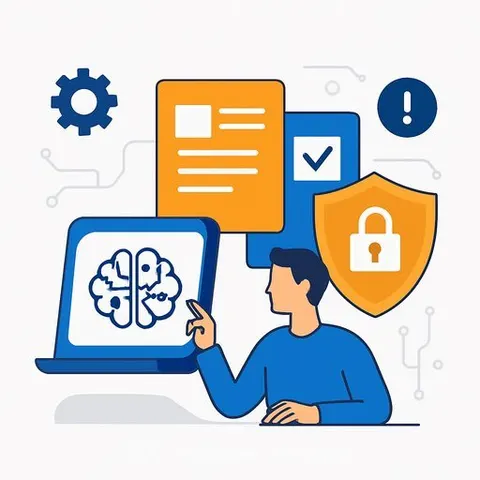
Nearly a third of enterprise leaders still lack a defined artificial intelligence compliance strategy, according to new research from A-LIGN. This governance gap exposes organizations to escalating cyber threats and risks lost revenue as customers demand stricter data protections.
The stakes for poor AI governance extend beyond regulatory fines. Data breach volumes doubled and compromised records increased by 23 percent in 2025, driven largely by AI-related risks and third-party vulnerabilities. As a result, four out of five companies using AI now regularly field customer questions about how their data is governed.
Shifting risk evaluations
AI has fundamentally changed how organizations evaluate risk. Adversaries now use the technology to automate and personalize attacks, rendering traditional point-in-time compliance audits insufficient. Seventy-two percent of executives acknowledge that compliance strategies must adapt, driving demand for specialized training such as the AI Learning Path for CIOs.
CISOs face multiple compounding pressures. Annual audits are giving way to continuous compliance models, while emerging rules like the European Union's AI Act add further compliance burdens. Security and compliance teams are merging under CISO leadership, creating friction in defining responsibilities. Meanwhile, shrinking budgets and staff shortages limit the time available to build strategic governance plans.
Customer scrutiny and audit quality
Customers are raising the bar for data trust. More than half of respondents in the A-LIGN report said a vendor or prospect rejected an audit report due to insufficient quality. Audit quality now serves as a competitive differentiator, defined by the expertise and rigor behind the final report rather than just the document itself.
Low-cost audits carry substantial risks for enterprise operations. A single oversight can erode customer trust and trigger regulatory scrutiny. CISOs should watch for red flags like inconsistent response times, outdated tooling, and generic reports that fail to address an organization's specific risk environment.
Actionable governance steps
Organizations can take immediate steps to strengthen their AI governance. Security teams should implement continuous controls monitoring to ensure AI-related safeguards remain active over time. Increasing third-party oversight and tightening identity and access controls will further reduce the attack surface, a critical priority for professionals studying AI for Executives & Strategy.
Why this matters for Executives and Strategy
Executive leaders must treat AI governance as a core business function, not just an IT issue. Poor compliance directly threatens revenue, as customers actively reject vendors with weak data protections. Boards should prioritize funding for continuous compliance tools and high-quality audits to protect brand reputation and secure future deals.