Ethics and AI Adoption in Pharmacy Management
Artificial intelligence is quietly entering pharmacy operations, bringing opportunities and challenges. For managers, the key is balancing efficiency gains with ethical safeguards to protect patient care, privacy, and jobs.
AI can streamline tasks like inventory management and pricing, freeing staff to focus on patient interaction. Automating refill orders or tracking product turnover using wholesaler data are practical first steps that improve operations without sacrificing the human element.
Pharmacy leaders are cautiously exploring AI integration. As one executive noted, AI’s predictive abilities—such as forecasting patient traffic or drug shortages—can enhance staffing and inventory decisions. But these systems require careful setup and oversight.
Protecting Patient Data and Security
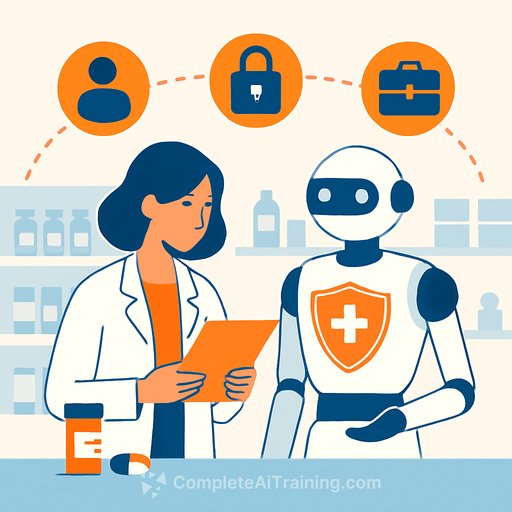
AI handling sensitive health data demands strong security measures. Maintaining patient consent and HIPAA compliance isn’t optional. Weaknesses can lead to data breaches and loss of trust.
Pharmacy teams don’t need to be tech experts, but they must use AI tools responsibly. This means strong passwords, avoiding shared credentials, and vigilance for unusual AI behavior or suspicious recommendations.
Cyber threats can manipulate AI decisions, disrupt inventory management, or expose private information. Managers should implement cybersecurity best practices and treat AI systems like any other critical IT resource.
Regulations and AI in Healthcare
Government actions on AI are evolving. An executive order in 2023 emphasized safe, fair AI development, highlighting healthcare risks such as bias and patient harm. Later updates narrowed focus but concerns remain.
Professional bodies like the American Pharmacists Association advocate for AI policies that include pharmacists in AI design, prioritize patient safety, mitigate bias, and ensure transparency and training. These steps help keep pharmacists central to care.
Bias and Misinformation Risks
AI learns from existing data, which can reflect historical biases—like underrepresentation of women and minorities in clinical studies. This risks perpetuating health disparities if unchecked.
Pharmacy managers must question AI vendors on how their algorithms are tested for fairness and accuracy. Understanding the AI’s data sources and limitations is essential before relying on its outputs for patient care or business decisions.
Collaboration between pharmacists, AI developers, and healthcare experts is vital to create tools that support equitable care. Cases like insurance claim denials driven by AI highlight the stakes involved.
Job Impact and Workforce Planning
Automation raises concerns about job loss, but many see AI as a tool to increase capacity and expand service offerings. Thoughtful planning, retraining, and transparent communication help staff adapt to changing roles.
Managers should emphasize the tasks AI cannot replace—those requiring human judgment and empathy—and ensure team members understand their evolving responsibilities.
Keeping the Human Touch
AI should support, not replace, professional judgment. Pharmacists remain responsible for final decisions and ethical care. AI tools lack empathy and moral reasoning, qualities vital to patient trust and safety.
Maintaining patient choice to interact with humans alongside AI-driven services improves satisfaction. Thoughtful use of AI can enhance the pharmacy experience without losing the essential personal connection.
For pharmacy managers looking to build AI skills and implement best practices, exploring specialized training can provide practical guidance. Resources like Complete AI Training offer relevant courses to help leaders understand and manage AI tools effectively.
Your membership also unlocks: