EU and UK Tighten Rules on AI Hiring Bias. Here's What HR Needs to Do Now
The European Union and United Kingdom have introduced new regulations that directly affect how US employers can use artificial intelligence in recruitment, screening, and promotion decisions. These rules layer onto existing data protection and anti-discrimination laws, creating compliance obligations that go beyond what many organizations currently have in place.
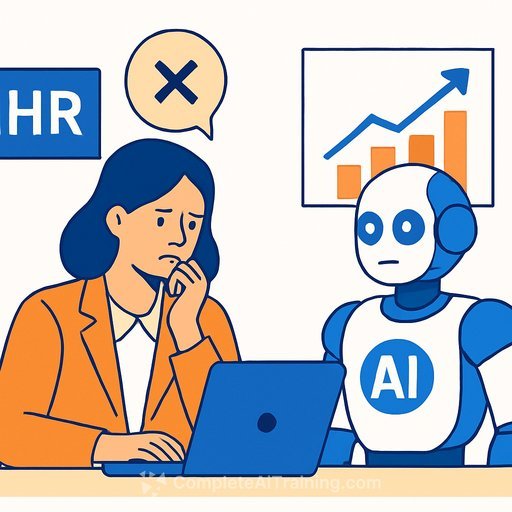
For HR teams managing AI hiring tools across these regions, the compliance burden is real. Regulators are scrutinizing algorithmic discrimination with new enforcement powers, and the bar for "meaningful human involvement" in hiring decisions has risen significantly.
The EU AI Act Creates High-Risk Classification for HR Tools
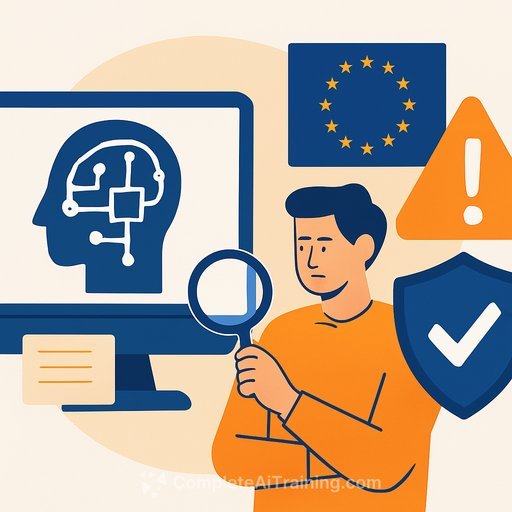
Under the EU Artificial Intelligence Act, most employment-related AI systems-including recruitment screening, candidate ranking, promotion evaluation, and some monitoring technologies-fall into the "high-risk" category. This classification exists because these tools directly affect workers' livelihoods.
High-risk systems must meet specific obligations before deployment. Organizations must document risk management processes, establish data governance and quality controls, maintain technical documentation, create audit logs, and ensure meaningful human oversight. These requirements apply regardless of where the AI vendor is based.
Article 10 of the Act focuses specifically on bias and data quality. HR AI systems must be trained, validated, and tested on data that are relevant, representative, sufficiently diverse, and as free of errors as possible. Organizations must conduct systematic bias testing with documented findings and ongoing monitoring.
GDPR Article 22 Gets a Stricter Reading
A 2023 European Court of Justice decision-the SCHUFA case-fundamentally changed how Article 22 of the GDPR applies to algorithmic hiring tools. The ruling held that generating a score through automated profiling can itself be an automated decision, even if a human later reviews it.
The practical implication: if an AI system generates a recruitment score that effectively determines who gets interviewed or hired, the decision may be treated as fully automated even if a hiring manager nominally approves the result. This means "rubber-stamping" AI outputs does not satisfy the law's requirement for meaningful human involvement.
Employers relying on algorithmic scoring in recruitment must ensure candidates receive information about how the AI works and have routes to contest decisions. The threshold for what counts as meaningful human involvement has risen.
The UK Takes a Different Path
The UK did not adopt the EU AI Act. Instead, it passed the Data (Use and Access) Act 2025 (DUAA), which amends existing data protection law rather than replacing it. DUAA simplifies some compliance requirements while introducing new restrictions on automated decision-making.
The Act replaces the original Article 22 of the UK GDPR with rules focused on "significant decisions" taken solely by automated means. The strictest safeguards apply when decisions are based on special category data-such as race, ethnicity, or disability-unless specified protections are in place.
For employers, DUAA introduces some relief. It creates limited categories of "recognized legitimate interests" that don't require a balancing test, making it easier to rely on legitimate interests when using AI-assisted screening in recruitment. However, this does not eliminate the need for careful risk assessment, impact assessments, and safeguards around automated decisions.
The UK Information Commissioner's Office (ICO) has already signaled concerns about AI recruitment tools that disadvantage protected groups or lack transparency. The ICO expects organizations to document bias testing, maintain meaningful human involvement, and provide clear explanations of how AI systems work.
The Equality Act 2010 remains in force and continues to prohibit direct and indirect discrimination in hiring, including discrimination enabled by AI.
Four Steps to Get Compliance Right
1. Map and classify AI tools. Create an inventory of all HR-related AI systems. Identify which fall into the EU AI Act's "high-risk" category, where GDPR Article 22 applies, and which UK processes trigger DUAA's automated-decision rules. This inventory becomes the foundation for your compliance program.
2. Build bias and data-quality testing into your process. Require vendors to provide data quality and bias audit documentation. Conduct your own pre-deployment and periodic testing. Document any disparities you find and the steps you take to address them. This creates an audit trail that demonstrates due diligence if regulators inquire.
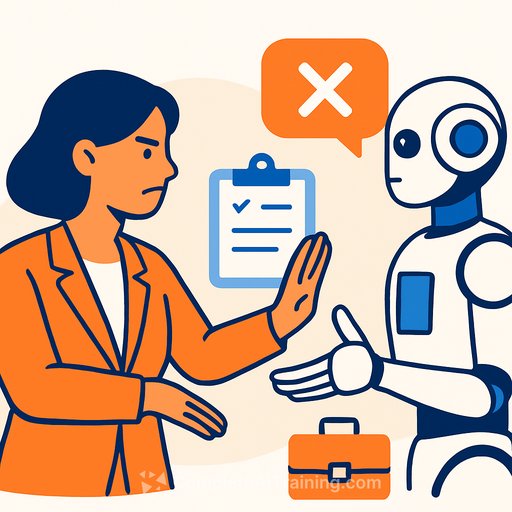
3. Ensure humans genuinely review AI outputs. Design recruitment and promotion workflows so hiring managers actually review and can override AI recommendations. Train HR and hiring managers on both the capabilities and limitations of these systems. "Meaningful human involvement" means more than clicking approve.
4. Respect local participation and transparency rules. In Germany and other European countries-Spain, Italy, Austria, the Netherlands, France-involve works councils early when introducing AI-based HR tools. In the UK, consider consulting employee representatives and track ICO guidance. Provide candidates and employees with clear notices about how AI is used, explain your decision-making process, and offer complaint channels.
For HR professionals managing AI for Human Resources, these compliance steps are not optional. Regulators in both regions are actively investigating AI hiring tools, and enforcement actions are beginning. The organizations best positioned for 2026 and beyond are those building bias testing and human oversight into their processes now, not retrofitting them later.
HR leaders responsible for AI strategy should also consider the AI Learning Path for CHROs, which covers workforce analytics, recruitment automation, and compliance requirements across multiple jurisdictions.
Your membership also unlocks: