
AI news ·
Experts highlight artificial intelligence applications in women's healthcare at Hyderabad conference
50 doctors trained on AI tools for obstetrics and gynaecology at FEHMICON 2026 in Hyderabad. Sessions focused on integrating them into routine workflows and telesurgery.
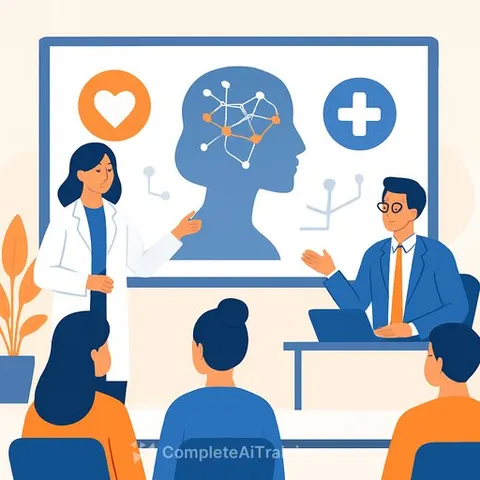
Artificial intelligence will enable earlier diagnosis, better clinical decision-making, and wider access to specialist care in obstetrics and gynaecology, experts said at FEHMICON 2026, a two-day conference held at FehmiCare Hospital in Hyderabad on July 11 and 12. The event brought together clinicians to demonstrate AI tools that can be integrated directly into routine practice.
Hands-on training for clinicians
The conference opened with a workshop at FehmiCare Hospital where around 50 doctors received live demonstrations of AI-powered applications. Sessions covered clinical documentation, patient communication, research support, medical education, clinical decision support, and workflow management. The focus was on practical tools that can assist in daily clinical work rather than future concepts.
Dr. L. Fahmida Banu, organising chairperson of the conference, presented sessions on current AI applications in clinical practice and their role in enhancing surgical precision, safety, and outcomes. The second day featured a national Continuing Medical Education (CME) programme.
Telesurgery and robotic precision
Dr. Syed Mohammed Ghouse, Consultant Robotic and Transplant Surgeon at the Asian Institute of Nephrology and Urology, delivered the keynote address on telesurgery. His talk highlighted how remote surgical platforms, combined with AI-guided robotics, can extend specialist care to patients in locations without on-site surgical expertise.
The conference programme reflected a broader push within healthcare to embed AI into routine clinical workflows. Topics like AI for Healthcare are increasingly moving from research settings into practical, accredited training for working doctors.
Why this matters for healthcare
For clinicians in obstetrics and gynaecology, the conference signals that AI tools are now ready for immediate clinical use - not as replacements for judgment, but as aids in documentation, imaging analysis, and surgical planning. The hands-on workshop format gave doctors direct experience with applications they can adopt in their own practices. The inclusion of telesurgery in the programme also points to a future where AI-assisted remote procedures could reduce treatment delays for patients in underserved areas.