
AI news ·
FDA uses generative AI to redact records, summarize documents and review scientific literature
The FDA is using generative AI to redact documents, summarize scientific records, and evaluate published research. The agency says the tools reduce manual paperwork for staff handling drug applications and safety data.
FDA Deploys Generative AI for Document Review and Scientific Analysis
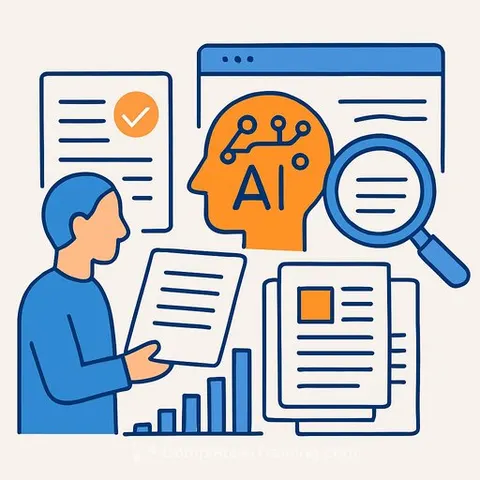
The Food and Drug Administration is using generative artificial intelligence to handle routine document tasks, federal officials said at a recent industry conference. The agency has deployed the technology to redact records before public release, summarize lengthy documents, and evaluate scientific literature.
The moves reflect how regulatory agencies are beginning to integrate AI into day-to-day operations. For FDA staff, the applications reduce time spent on manual paperwork, freeing resources for more complex analytical work.
Where the FDA is applying AI
Document redaction represents one practical use case. Before releasing records to the public, FDA staff must remove sensitive information. Generative AI can flag and redact these sections faster than manual review alone.
The agency also uses the technology to summarize dense scientific documents. Regulators reviewing drug applications, medical device submissions, and safety data face enormous document volumes. AI summaries help staff quickly grasp key findings without reading entire reports.
Literature evaluation is a third application. When assessing whether new scientific evidence affects existing approvals or guidance, FDA staff can use AI to scan and synthesize published research across multiple sources.
What this means for healthcare professionals
For people working in healthcare compliance, quality assurance, or regulatory affairs, understanding how regulators use AI matters. The FDA's approach signals how agencies will process submissions and evidence going forward.
Healthcare organizations preparing regulatory submissions should expect that AI will review their data. The quality of documentation and organization of scientific evidence remains critical-AI tools work best with well-structured input.
Learn more about generative AI applications and how AI is being deployed in healthcare settings.