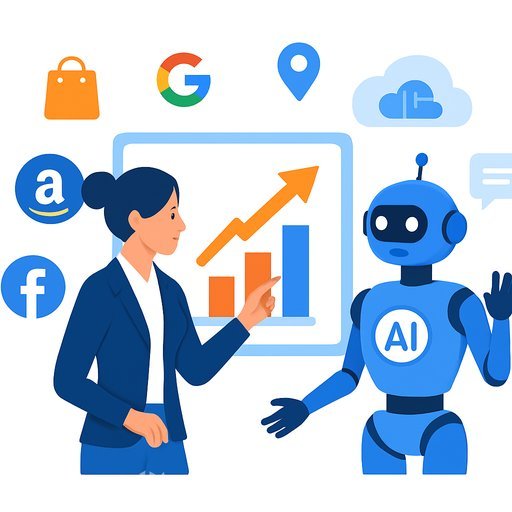
AI no longer just supports your work—it works alongside you. It’s about digital labour teaming up with humans to boost collaboration and business growth.
Technology has continuously transformed how we work, making processes faster and more connected. But agentic AI brings a new level of autonomy. Unlike traditional automation that needs human input at every step, AI agents can analyze, decide, and act independently on routine tasks and complex workflows. This shift means AI isn’t an extra layer of work—it’s a teammate handling both low-value and high-value tasks, freeing your team to focus on what matters most.
Five ways digital labour is helping UK businesses grow
1. Creating personalised experiences at scale with Secret Escapes
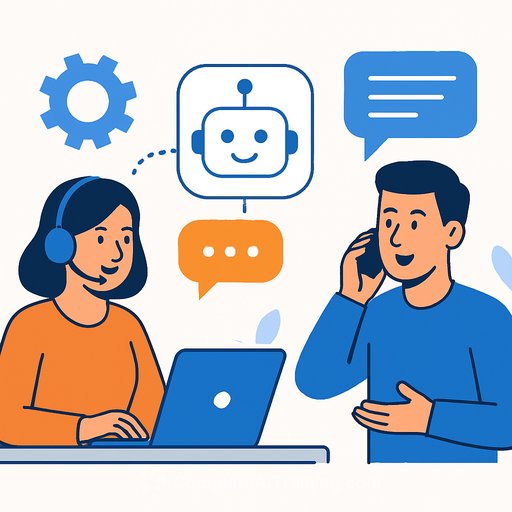
Secret Escapes offers luxury holiday deals but faces rising customer expectations. To keep delivering personalised, high-quality support without increasing staff, they turned to AI agents. These digital workers provide 24/7 customer service—handling simple requests like room preferences and escalating complex issues to humans. Impressively, they built and launched this AI agent in two weeks, a massive improvement over their previous six-month bot project.
2. Powering new offerings for Capita
Capita aimed to streamline its labour-intensive recruitment across eight countries and offer recruitment-as-a-service at scale. AI agents now quickly screen thousands of résumés and help candidates find suitable jobs autonomously. This digital workforce enables Capita to handle around 10,000 hires annually, making recruitment faster and more efficient.
3. Providing Bionic customers with 24/7 support
Bionic supports over 200,000 UK small businesses with energy, insurance, and broadband services. Handling 30,000 calls daily, repetitive queries caused long wait times and thousands of voicemails. Agentic AI now manages common questions instantly, pulling data directly to provide accurate answers and routing complex calls to the right agents. This approach is projected to cut average handling times by 25%, improving both customer satisfaction and operational efficiency.
4. Automating routine tasks for Secret Escapes and Bionic
Both companies leverage AI agents to automate repetitive tasks and simplify workflows. Secret Escapes expects AI to resolve 30% of live chat requests independently, freeing human agents to focus on urgent travel needs. Bionic’s AI plugs into their CRM to fetch customer details, aiming for 50% of inquiries answered automatically. This balance ensures automation covers routine work while humans handle complex cases.
5. Maintaining Capita’s business continuity with predictions
High turnover in contact centres disrupts staffing and service quality. Capita uses AI agents to predict staffing needs by analyzing structured and unstructured data like résumés and job descriptions. This foresight helps fill roles before vacancies occur, keeping customer service steady and avoiding staffing shortfalls.
Why this matters for customer support teams
For customer support professionals, agentic AI means less time spent on repetitive tasks and more focus on meaningful interactions. With AI handling routine inquiries and data retrieval, your team can respond faster and provide better service. It also supports after-hours demands without extra headcount, ensuring customers get help whenever they need it.
The UK faces productivity challenges, but digital labour offers a practical way to improve efficiency and customer experience. AI agents are already making a difference for businesses across sectors. If you want to explore how AI can enhance your work, consider checking out AI training resources tailored for customer support roles, such as those available at Complete AI Training.
Your membership also unlocks: