
AI news ·
Foxconn moves US plant from simulation to live operations using AI-driven factory setup
Foxconn has shifted its US factory from digital simulation to live production using AI-driven controls. The move aims to boost domestic AI server output as demand outpaces supply.
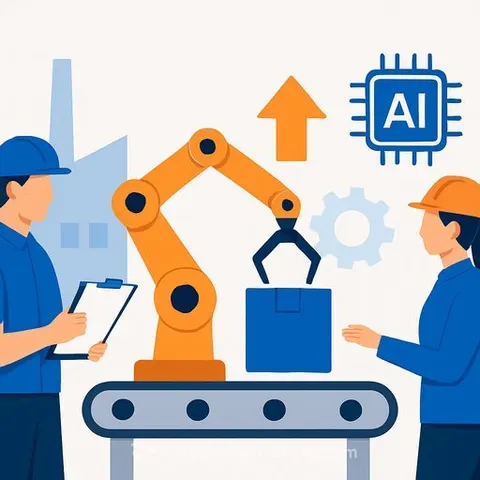
Foxconn moves US factory from simulation to live production with AI controls
Foxconn is transitioning its US manufacturing facility from digital simulation to active production using AI-driven factory operations. The shift represents a concrete step toward automating server assembly for AI data centers, where demand continues to outpace supply.
The company has built its approach on digital twin technology and data-driven processes. Digital twins-virtual replicas of physical factory floors-allow operators to test production changes before implementing them on actual equipment. This reduces downtime and errors during the transition to live manufacturing.
The move addresses a specific bottleneck: US-based production of AI servers remains limited compared to Asian manufacturing hubs. By automating its US operations, Foxconn can increase output closer to where demand originates, potentially shortening delivery timelines for customers.
Why this matters for operations teams
The factory setup demonstrates how AI and simulation can reduce risk when scaling production. Operations leaders can apply similar approaches-testing workflows in virtual environments before full deployment-to minimize disruption.
Foxconn's model also offers a template for other manufacturers. If the approach works at scale, overseas facilities could adopt the same smart factory framework, creating consistency across global supply chains.
For professionals managing manufacturing operations, AI for Operations covers the technical foundations behind these systems. Those managing factory floors directly may find AI Learning Path for Plant Managers more directly applicable to strategic decisions around automation and production planning.
What's next
The success of this US facility will likely determine whether Foxconn expands the model to other regions. AI server demand shows no signs of slowing, giving the company clear incentive to prove the approach works at commercial scale.