AI Turns Websites Into Adaptive Sales Engines
Paid clicks are precise. Most landing pages aren't. That break in context costs you conversions, pipeline, and ad efficiency.
The fix is simple in concept: keep the intent from the click alive after the click. Fibr uses AI agents to read real-time signals and reshape pages on the fly so every visitor sees messaging that fits why they came.
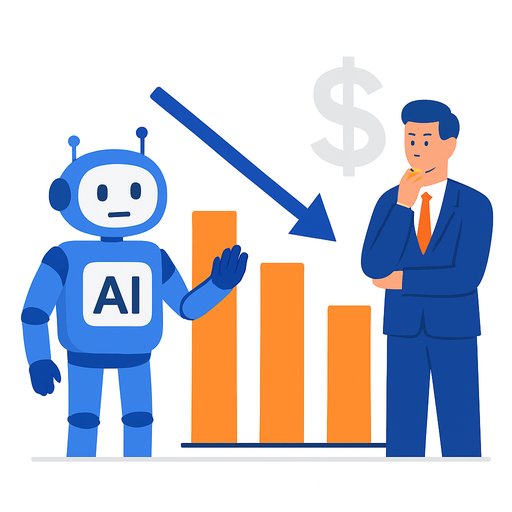
The Post-Click Blind Spot That Drains Revenue
We target like snipers pre-click: keyword, ad group, audience, creative. Then we send everyone to the same static page. Context is lost, motivation cools, and form starts stall.
This isn't a lack of will; it's a legacy problem. Most sites are hard-coded, slow to change, and not built to react to intent in real time.
Agentic Pages That Match Intent
Fibr adds an "agentic web experience layer" that listens to where a visitor came from, what they searched, and which ad they clicked. It then edits on-page elements in real time-headlines, imagery, proof points, CTAs, even the order of content-to match that intent.
Rollout starts with controlled tests. Traffic splits between your current page and the AI-modified version so you can quantify lift without risking the entire channel.
Why Banks and Healthcare Are Leaning In
These sectors have complex motivations and high stakes per transaction. A personal loan isn't abstract; it's a wedding, a medical bill, or debt consolidation.
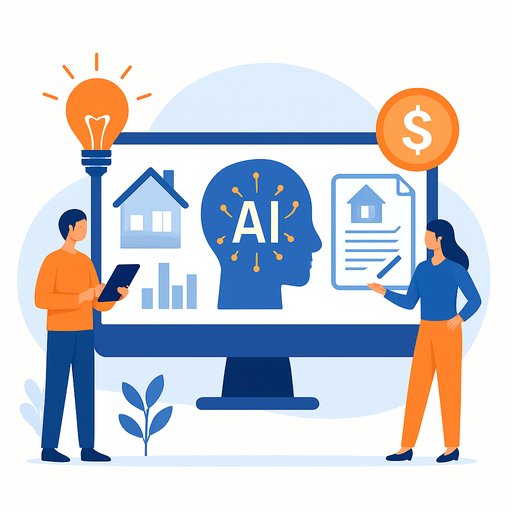
By reflecting the visitor's reason to click-say, a wedding image for "personal loan for wedding" or a travel cue for "golf trip financing"-the site shortens the gap between interest and application. As Ankur Goyal, Fibr's CEO and Co-Founder, put it: "Our goal is to have different content for everyone that is specific to the intent they are coming from."
Compliance and Control Built In
- Isolated deployments per customer instance
- Data masking before LLM processing and unmasking on return
- Human-in-the-loop approvals from marketing and compliance before experiences go live
In regulated industries, "you have to stop the agent at certain point, let the human take over, and then run it again," Goyal said. That keeps personalization inside guardrails set by rules like HIPAA and GLBA.
What This Means for Sales
- Higher form-start and completion rates because the page meets the visitor's intent
- Better lead quality from tighter message-offer fit
- Lower CAC as ad dollars convert at the page instead of dying on the fold
- Faster time-to-value on new campaigns via testable, reusable content blocks
A 30-Day Pilot You Can Run
- Pick two high-intent sources: a paid search ad group and a top referral.
- Define signals to read: query, ad ID, UTM tags, referrer.
- Change only three things per variant: headline, hero image, primary CTA. Keep the form and legal copy constant.
- Split traffic 50/50 with your current page. Pre-approve content blocks with compliance to speed reviews.
- Set guardrails: approved phrasing, claims, imagery categories, and disallowed edits.
- Measure daily: hero-to-form click rate, form-start rate, completion rate, CPL, and approval SLAs.
- Scale the winners if you see a statistically valid lift (aim for 15%+ over two weeks). If not, iterate the three variables and test again.
Build a Memory System for Repeatable Wins
The real edge isn't a single uplift-it's keeping what works. Fibr bakes in feedback loops so insights from every test roll into a growing playbook: which queries respond to which messages, which visuals move which segments, and which CTAs shorten time-to-apply.
That knowledge lives beyond staff turnover and campaign churn. Your site becomes smarter with each visit.
Bottom Line
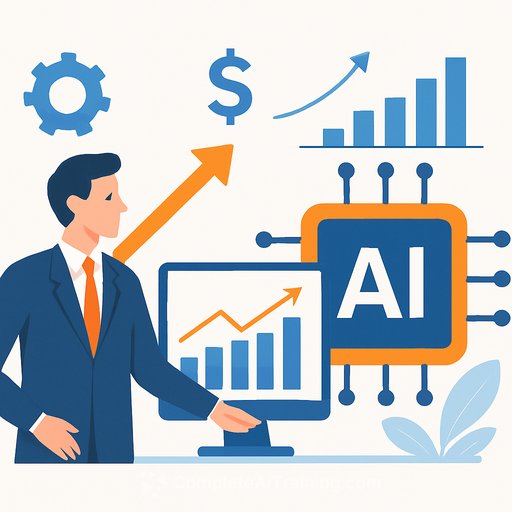
Pre-click precision without post-click context is wasted spend. Agentic web layers close the gap, make landing pages intent-aware, and turn traffic into pipeline-without breaking compliance or control.
If you're exploring revenue-focused AI use cases, start here: AI for Sales.
Your membership also unlocks: