How AI Will Change Patient Pathway Management in 2026
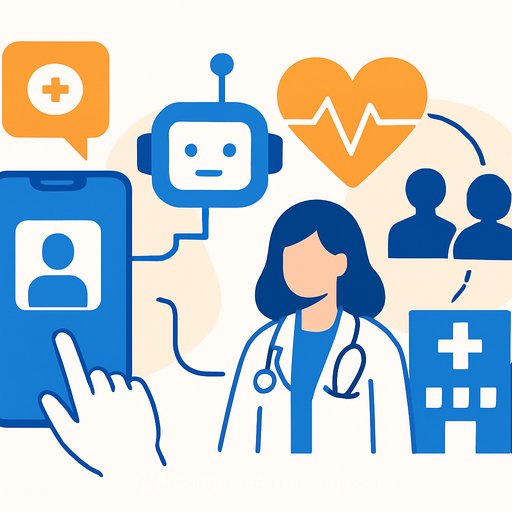
AI is moving from pilots to everyday use across clinics. In 2026, expect more AI agents and conversational tools at the "digital front door" to handle intake, triage, and simple queries. The bigger wins, though, will come from note capture, booking automation, and back-office orchestration that free up clinician time.
The goal is simple: faster access, fewer bottlenecks, and a clearer experience end to end. That only happens when patient-facing tools connect tightly to scheduling, messaging, billing, and records behind the scenes.
Why 2026 is a turning point
As of August 2025, around 180,000 patients had been waiting over a year for treatment in England. That's a management problem as much as a clinical one. Admin that lives in spreadsheets, inboxes, and manual workflows is burning hours that should go to care.
Patients also prefer digital-first touchpoints for routine needs. To meet that demand, clinics need integrated systems that can automate routine work, keep data safe, and push updates to patients without staff chasing.
The core question for 2026 isn't "can we use AI?" It's "will this actually save hours and help more people, faster?"
NHS referral-to-treatment statistics
Build the foundation before you add AI
- Unify scheduling, messaging, documentation, and payments so data flows in one place.
- Use secure identity management and role-based access with full audit trails.
- Pick vendors with open APIs and native integrations into your clinical systems.
- Standardise templates for intake, notes, and discharge to reduce variance.
- Define a single source of truth for patient communications and status updates.
Quick wins to target in Q1
- Ambient note capture with human sign-off to cut admin time per appointment.
- AI intake and triage to route to the right service, with clear risk flags and escalation.
- Automated booking, reminders, and waitlist fill to reduce no-shows and gaps.
- Proactive treatment updates via SMS/app so patients aren't calling reception.
- Task queues that assign follow-ups to the right team with deadlines and service levels.
- Clean billing handoffs with fewer manual corrections and faster cash collection.
Digital front doors that actually work
Use assistants to collect structured history, verify details, and answer common questions. Build in fast handoff to a human when intent is unclear, symptoms are red-flagged, or the patient asks to speak to someone.
Keep it inclusive: multiple languages, accessible design, and a simple path for those who prefer phone or in-person support. Every interaction should write back to the record and update the next step automatically.
Safety, data, and trust
- Complete DPIAs and clinical safety cases before go-live; assign clear ownership.
- Use human-in-the-loop for any clinical summaries, coding, or care plan suggestions.
- Log model prompts/outputs, decisions, and overrides for review and audit.
- Set retention rules and encryption standards; test your incident response plan.
Community-based care will accelerate
The UK is moving more care out of hospitals and into communities and primary care, as set out in the NHS Long Term Plan. In 2026, private and public clinics will lean on apps and secure messaging to connect patients with local practitioners and keep care moving between visits.
Private physiotherapy is the early signal
Long NHS waits push more people to self-funded and insured options. Expectations rise with that: real-time updates, easy messaging, and remote support.
Physio clinics are already pairing in-person sessions with app-based exercise plans, video demos, progress tracking, and flexible payments. The model extends care between visits, keeps patients engaged, and reduces pressure downstream.
Metrics that matter to management
- First response time and time to first appointment.
- No-show rate and waitlist fill rate.
- Admin minutes per appointment and documented time saved per role.
- Patient-reported experience (helpfulness, clarity, ease of access).
- Clinician capacity gained and throughput per clinic room.
- Cash collection cycle time and billing error rate.
90-day rollout playbook
- Days 0-30: Map workflows, pick 2-3 use cases, define KPIs, complete DPIA and safety checks, select vendors.
- Days 31-60: Configure, integrate, and pilot with one team; enable human review; train front desk and clinicians.
- Days 61-90: Expand to a second site or specialty; track outcomes weekly; remove low-value steps; lock in SOPs.
People and change
Technology works when your teams do. Set up "AI champions" by role, run short practice sessions, and create feedback loops for what the assistant or automation gets wrong.
If your managers need a fast primer on what to buy and how to deploy, consider structured training. A good starting point: AI courses by job role.
The takeaway for 2026
Focus on systems that cut admin, speed access, and keep data safe. Start with the foundation, prove value in weeks, then scale. The winning clinics will be the ones that let AI handle the routine so people can handle the human.
Your membership also unlocks: