ClickUp Super Agent: From Planning to Execution Inside the Workspace
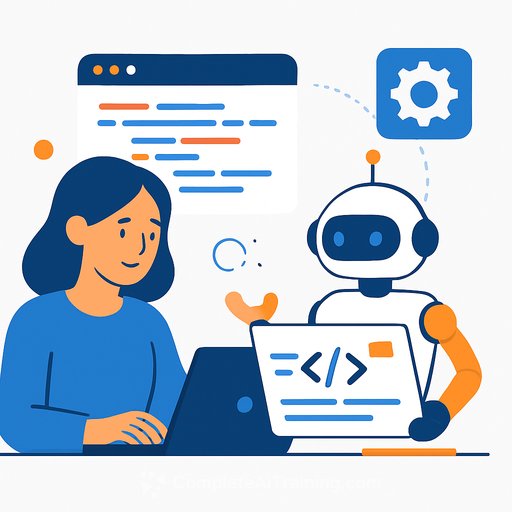
ClickUp has acquired Codegen.Inc and is embedding AI coding agents directly into its platform. This shifts ClickUp from pure work management into execution, where tasks, docs, and chats become live inputs for code creation. The deal was announced on December 23, 2025, with financial terms undisclosed. Codegen's standalone product will be available until January 16, 2026.
What's Changing
The gap between planning and shipping gets shorter. Instead of handing work to a separate technical team, agents operate inside the ClickUp workspace using context from projects, documents, and conversations. That means fewer status meetings and fewer delays-more cycles of real output.
Key Takeaways for Managers
- Execution moves upstream: planning artifacts are now triggers for working code and content.
- Context beats standalone tools: the data you already hold in ClickUp gives agents something meaningful to act on.
- Non-technical teams gain control: workflows and approvals will need updates to handle agent-created changes.
- Platforms that stop at coordination will fall behind as execution becomes automated inside the tool.
Where It Helps First
- Customer support: convert recurring tickets into code-level fixes without waiting in line.
- Product management: move from PRDs to functional prototypes faster, even with limited engineering time.
- Marketing and agencies: update landing pages and microsites without routing every tweak through developers.
- Engineering: generate test suites directly from requirements and keep specs, issues, and code closer together-areas central to AI for IT & Development.
Why Context Is the Advantage
Most coding tools live outside the place where decisions are made. ClickUp already holds tasks, docs, and chats, so agents can act with the right context at the right time. That reduces the lag between intent and output and supports faster iteration across teams.
Industry Research points to adoption being driven more by integration and context than by raw model capability. Leaders that connect planning and production see faster experimentation and higher internal usage. See supporting data in the State of AI.
Leadership Moves and Timeline
Jay Hack, Codegen's CEO, is joining ClickUp as Head of AI, signaling a long-term bet on embedded agents. Existing Codegen customers can use the service until January 16, 2026, when the standalone product will be retired.
What to Do Now
- Map your workflow: list the artifacts (tickets, briefs, PRDs, SOPs) that should trigger actual output, not just tracking.
- Pick two pilot projects: choose low-risk, high-visibility work where agent output can be reviewed and merged quickly.
- Define access and guardrails: set rules for which projects, repos, and environments agents can touch.
- Update approvals: add preview, diff, and rollback steps so non-technical teams can ship without creating rework.
- Upskill for "spec-first" work: teach teams to write clear requirements and acceptance criteria agents can act on. If you need structured training, explore curated role-based Coding resources.
Bottom Line
Tracking tasks is table stakes. The edge now comes from turning intent into output inside the same system. Managers who treat docs, tickets, and conversations as execution inputs-backed by clear controls-will ship faster and with fewer handoffs.
Your membership also unlocks: