
AI news ·
Frontline workers want transparency in AI hiring, survey finds
A survey of 1,014 frontline workers found only 25% oppose AI in hiring when companies explain its use. Yet 62% of applicants were ghosted after multiple interview rounds.
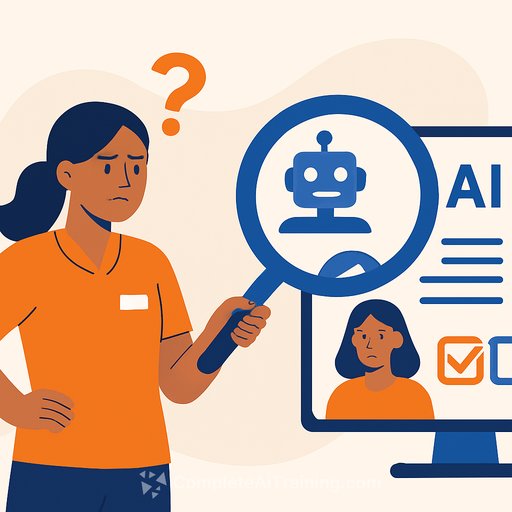
A survey of 1,014 U.S. frontline workers conducted in June 2026 by Fountain, an AI-native platform for frontline workforce management, found that only one in four oppose AI in hiring. Nearly three-quarters say how a company explains its AI use directly shapes their trust. The findings point to a demand for transparency, not a rejection of the technology.
The research, run by Propeller Insights, also exposed a communication breakdown. Among frontline workers who applied for jobs in the past year, 62% were ghosted after multiple interview rounds. One in five cited lack of communication or updates as their top frustration, and nearly as many named automated screening without explanation as their biggest complaint. Thirty-two percent never heard back at all during their most recent interview.
What workers want from AI in hiring
When companies clearly explain how they use AI, nearly a third of workers trust them more, and another 40% say their trust depends on what the AI is doing. Almost half said knowing a human reviews final decisions would increase their comfort level. Forty-two percent want the ability to request human interaction at any point in the process. Workers are most comfortable with AI handling scheduling interviews (40%), communication about roles (38%), or screening (29%).
Sean Behr, CEO of Fountain, said: "This survey confirms something we've long thought at Fountain. Frontline workers want respect and honesty. They know AI is part of the process. They're asking to be kept in the loop." He added that the industry spent years deploying AI and forgot basics like telling candidates where they stand and following through.
Where AI can add value
Respondents named faster hiring (22%), reduced bias (nearly one in four), and more consistent communication (15%) as the biggest benefits of AI in frontline workforce management. Fountain's platform reflects these priorities: candidates are notified before any AI interaction, with an opt-out to a human, explainable scoring, and human recruiters making every final hiring decision. On the employer side, the agentic platform Cue logs every AI-driven action and requires human review before applying optimization suggestions.
Why this matters for HR
HR teams that build transparency into AI-driven hiring can directly address the frustrations frontline workers report. Clear explanations of AI's role and a reliable path to human review reduce ghosting complaints and strengthen employer brand. For HR leaders looking to implement these practices, AI for HR Courses offer practical guidance on designing fair, communicative hiring systems.