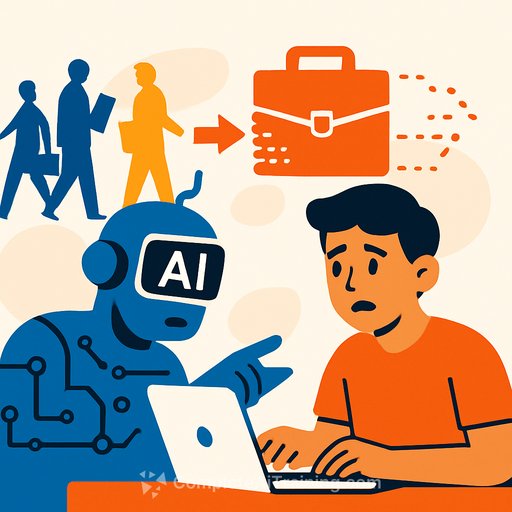
A Robot Stole My Internship: How Gen Z’s Entry into the Workplace Is Being Affected by AI
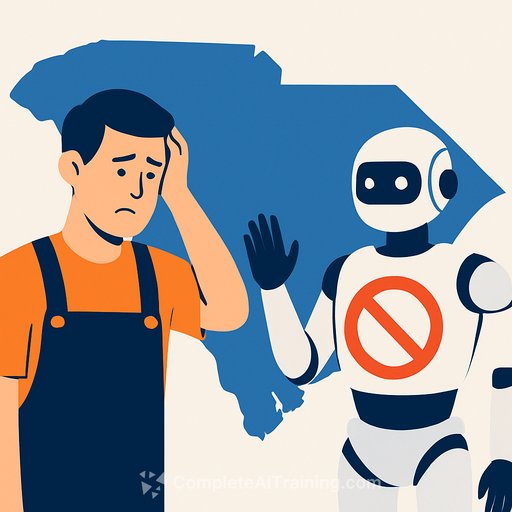
For years, the phrase “the robot took my job” conjured images of machines replacing factory workers. Now, a new challenge is emerging for Gen Z: AI is replacing internships and entry-level jobs. These positions have long served as stepping stones, offering young workers essential experience and skills for career growth. But as AI spreads across workplaces, these roles are increasingly vulnerable to automation.
Entry-level jobs often involve repetitive, straightforward tasks like data entry, scheduling, or report drafting. Generative AI can perform these tasks faster and more cheaply than humans. The result? Fewer traditional entry points into the workforce. LinkedIn reports a 14% increase in applications per entry-level role, reflecting growing competition as these positions become scarcer.
AI Is Changing the Workplace
AI integration is reshaping the job market. Nearly half of workers worry AI will replace their roles, and projections suggest that by 2030, close to 30% of tasks could be automated by generative AI. At the same time, nearly two-thirds of executives are willing to prioritize AI-driven productivity over retaining staff. Only about one-third are prepared to keep their teams intact at the cost of slower productivity growth.
Entry-level roles in sectors like food services, customer service, sales, and office support face the biggest cuts. These sectors could account for about 84% of the occupational shifts expected by 2030.
Future Talent and Entry-Level Role Shortages
While the number of entry-level roles may drop, demand for certain skills is rising. A 2024 report from Microsoft and LinkedIn highlights concerns over shortages in cybersecurity, engineering, and creative design. This signals a shift: fewer entry roles, but evolving job descriptions requiring new skills.
Competition for entry-level jobs will intensify, especially for candidates who can leverage AI tools to boost productivity. Many roles are transforming, demanding new abilities rather than simply disappearing. Specialized skills remain in high demand where AI cannot yet replace human creativity and problem-solving.
AI Literacy Is the New Entry Requirement
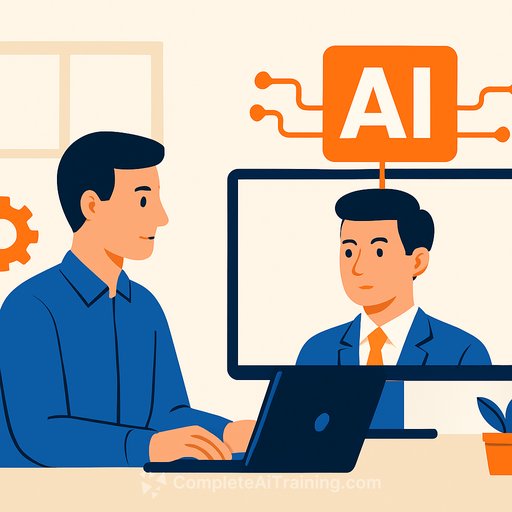
Basic task completion is no longer enough. Employers now expect candidates to work effectively alongside AI. Two-thirds of managers say they wouldn’t hire someone without AI skills. Even more striking, 71% prefer a less experienced candidate who knows AI over a more experienced one who doesn’t.
Gen Z may have an advantage here. As digital natives, many are already comfortable using AI tools like ChatGPT or Copilot in their work. A LinkedIn and Microsoft report shows 85% of Gen Z workers are integrating AI tools into their workflows, demonstrating both readiness and enthusiasm for these technologies.
Across the workforce, 76% of professionals say AI skills are necessary to stay competitive. There has been a 160% surge in AI literacy courses as part of a broader push to upskill—improving the ability to use AI to enhance and accelerate work performance. For those interested, platforms like Complete AI Training offer a variety of courses to build these skills.
A New Kind of Entry-Level Job
AI literacy is quickly becoming a core career skill. To stand out in a crowded job market, candidates must know how to:
- Use AI tools effectively
- Critically evaluate AI-generated outputs
- Apply AI in real workplace scenarios
- Showcase AI skills on resumes and in interviews
Employers also need to adjust. Rather than cutting entry-level roles, they should redesign them to focus on tasks that require creativity and critical thinking—areas where humans excel and AI supports. Hiring practices must shift to value AI literacy and transferable skills over outdated experience requirements.
The future of work won’t be humans versus machines. Instead, success will come from learning to work with AI, enhancing human skills, and creating new paths for young professionals entering the workforce.
Your membership also unlocks: