
AI news ·
General counsel shift from advisors to operators as AI embeds legal risk into daily business
General counsel are moving from after-the-fact legal reviewers to active participants in daily business decisions. AI tools handling routine work are driving this shift, giving legal teams more time for strategy.
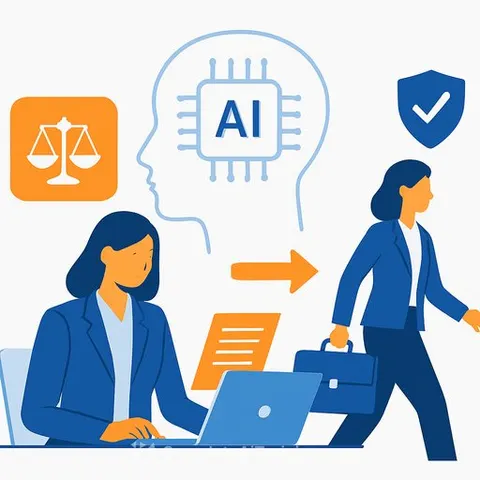
General Counsel Are Becoming Business Operators, Not Just Legal Advisors
The role of the general counsel is shifting from interpreter of legal risk to operator embedded in day-to-day business decisions. AI is accelerating this transition, forcing in-house legal teams to move beyond risk assessment and into active participation in how organizations function.
This change creates a direct opportunity for general counsel to influence their organization's future strategy and operations.
From Advisor to Operator
Traditionally, general counsel reviewed decisions after the fact and flagged legal exposure. The emerging model places them at the table before decisions happen, helping shape how legal considerations get built into business processes from the start.
AI tools that automate contract review, compliance monitoring, and legal research free counsel from routine work. That frees time for strategic conversations about risk tolerance, regulatory positioning, and competitive advantage.
What This Means for In-House Legal Teams
General counsel now need skills beyond legal expertise. Understanding how AI changes their organization's operations, supply chain, and customer interactions becomes part of the job. So does knowing which business decisions carry hidden legal or regulatory exposure.
Teams that treat AI as purely a cost-cutting tool miss the bigger shift. Those that use it to get a seat at strategic planning tables strengthen their influence.
For more on how legal departments are adapting to AI, see AI for Legal. General counsel interested in the broader executive implications should explore AI for Executives & Strategy.