
AI news ·
Getty Images bars AI-generated content from its libraries as healthcare marketers favor real photographs
Getty Images is banning AI-generated content from its healthcare creative libraries, citing consumer distrust. A company survey found 79% of respondents trust real photographs more than AI images in medical ads.
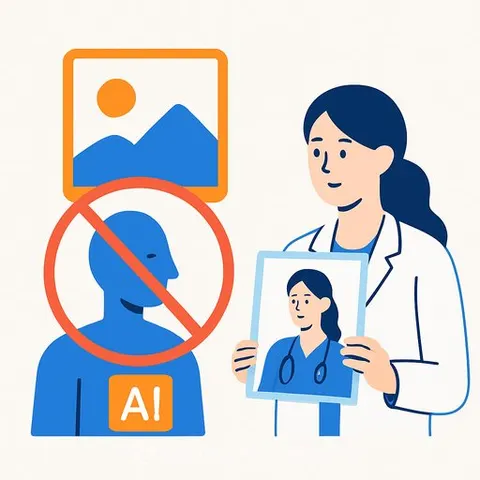
Getty Images Bars AI-Generated Content From Healthcare Libraries
Getty Images will not accept artificially generated or modified images into its creative libraries used by healthcare brands, the company's head of creative said this week. The decision reflects growing consumer skepticism about AI in medical marketing, where patient trust determines success.
Tristen Norman, Getty's head of creative, said the company made the move to protect human creativity, respect creator rights, and serve customer needs. Healthcare marketers who want AI-generated images can access Getty's own generative tool, which compensates creators whose work trained the system.
What Patients Actually Want to See
A Getty survey found 75% of respondents prefer real photographs of health products in advertising. When asked whether they trust AI-generated images more or less than authentic ones, 79% said they trust real photographs.
The tension is real. While 74% of survey respondents agree AI will help solve important problems, more than half say the risks outweigh the benefits. Healthcare marketers are targeting an audience that wants innovation but fears losing the human element.
Norman said brand trust comes through honesty, authenticity, and consistency. Imagery is the tool that builds it. Today's audiences have little patience for content that feels staged or disconnected from reality.
The Gap Between Marketing and Real Life
Healthcare marketing typically shows patients either in clinical settings with providers or enjoying leisure time with friends and family. What it rarely shows is the actual work of managing health at home - choosing nutrition, taking supplements, researching disease states, making decisions about treatment.
This gap matters. Patients increasingly want to take control of their own health while relying on experts to guide outcomes. Marketing that ignores this shift misses the stories people actually want to see.
Norman acknowledged the regulatory pressures pharma brands face with advertising. But she said consumers are demanding change, and companies that innovate on their visuals will stand out.
For marketing professionals navigating AI's role in campaigns, understanding these consumer preferences is essential. Learn more about AI for Marketing and how to apply these insights to your strategy.