
AI news ·
Ghana joins African push to embed AI tools in tourism planning and marketing
Ghana is moving AI from pilot projects into national tourism policy, joining South Africa, Rwanda and Kenya in using data analytics, chatbots and automated marketing to grow visitor numbers. Data gaps and privacy rules remain key hurdles.
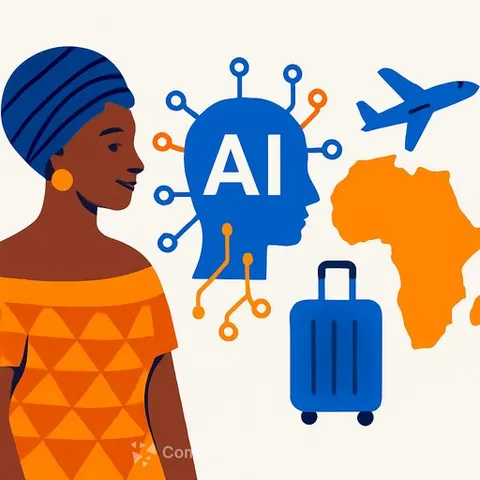
Ghana joins African push to embed AI in tourism operations
Ghana is moving AI from experimental pilots into tourism policy, following early adopters across East and Southern Africa that are using data analytics, chatbots and automated marketing to drive visitor growth and operational efficiency.
The shift reflects a broader continental trend. Governments and tourism boards are treating AI as core infrastructure for the visitor economy rather than a side project. Ghana's government is building an AI-ready national data platform and working to standardize datasets across sectors, creating the foundation for better tourism forecasting and real-time visitor flow monitoring.
Recent industry events in Accra have positioned digital marketing, AI-driven customer service and data analysis as priorities for tour operators competing in a crowded regional market. Hackathons and developer forums now regularly feature tourism applications alongside other sectors.
Regional leaders show what's possible
South Africa, Rwanda and Tanzania are further ahead. Cape Town has positioned itself as a testing ground for ethical AI in tourism, with initiatives bringing together technologists and tourism practitioners to build conversational assistants for visitor guidance and platforms that analyze booking trends and social media signals to manage demand peaks.
Rwanda treats AI as integral to economic transformation, with a growing cluster of tech start-ups developing travel platforms that surface underrepresented cultural experiences and community-based tourism products. Tanzania has applied data-centric tools in destinations like Zanzibar to optimize visitor flows and protect heritage sites.
Kenya, Uganda and Zambia are deploying automated booking systems, intelligent customer support and data platforms that let operators respond quickly to shifts in demand and currency movements. Kenya's strengths in mobile payments are creating fertile ground for AI-enhanced travel products that combine real-time inventory with tailored suggestions based on traveller behavior.
Ghana's advantage in the region
Ghana is using its broader digital momentum to develop expertise that tourism operators can tap. Training programs focused on coding, data science and AI literacy are building skills that hotel groups, attraction managers and travel start-ups can deploy to modernize operations.
Local tour operators are already turning to automated customer messaging, targeted advertising and algorithmic campaign optimization to reach high-value segments in Europe, North America and Africa's growing middle class. Recent visa reforms and open-sky connectivity have driven a surge in regional arrivals - combining these policy shifts with AI-enabled marketing could help smooth seasonality and distribute visitors more evenly across regions.
Data quality and ethics remain barriers
Persistent gaps in data quality, connectivity and digital literacy pose challenges, particularly for small and medium-sized tourism enterprises that form the backbone of the sector. Many businesses lack the technical skills to implement these tools effectively.
Privacy and data sovereignty concerns are emerging across the continent. Questions about where customer and corporate data is stored when staff rely on overseas AI platforms, and how local regulations can protect both businesses and travellers while encouraging innovation, remain unresolved in many countries.
Rwanda's AI framework emphasizes ethical use, transparency and responsible data governance. South Africa is beginning to incorporate AI considerations into its tourism strategies and grading systems. Ghana's entry into this group signals that more African destinations will need to address these governance questions as they move beyond pilots.
For professionals in hospitality and events, the shift toward AI-enabled tourism across Africa means understanding how to evaluate and implement these tools responsibly while managing the operational changes they bring.