Beauty Market Grows 10% as E-commerce and AI Reshape How Consumers Buy
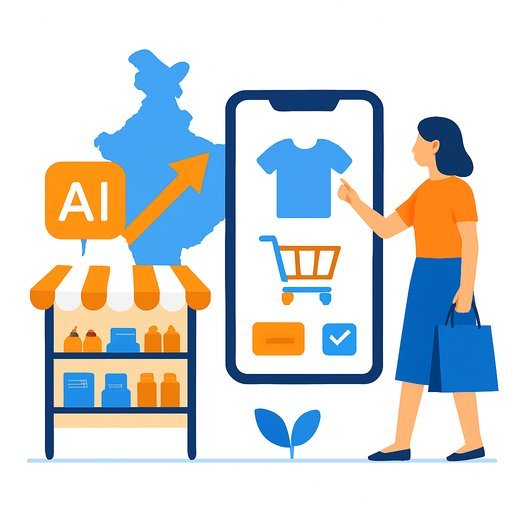
The global beauty market expanded 10% year-over-year, with e-commerce sales climbing six times faster than in-store purchases, according to NielsenIQ's State of Beauty 2026 report. The shift reflects a fundamental change in how consumers discover, evaluate, and purchase beauty products.
For sales professionals, the implications are direct: the path to purchase has fragmented across multiple digital channels, and brands that don't adapt quickly will lose ground to competitors who do.
Where Consumers Are Shopping
More than half of consumers now buy through social platforms. TikTok Shop alone accounts for 22% of social commerce purchases in beauty. In China, livestreaming dominates, driving 70% of beauty sales on platforms like Douyin.
Traditional retail remains relevant but is no longer the primary battleground. The growth disparity-e-commerce expanding at six times the rate of in-store sales-means sales teams need to prioritize digital channels or risk irrelevance.
AI Is Changing Product Discovery
Nearly half of consumers (49%) already receive beauty product recommendations from generative AI. More than half are actively using AI-enabled shopping tools to narrow choices and speed up decisions.
This matters because it removes the salesperson from the initial discovery phase. Consumers are letting algorithms filter options before they ever engage with a brand. Sales and marketing teams must ensure their products appear in those AI recommendations and that the information feeding those systems is accurate and compelling.
What Consumers Actually Want
Intentionality drives purchase decisions now. Consumers prioritize three things: convenience (52% will pay more for it), authenticity (49% will pay more for locally made products), and wellness (63% consider mental wellness essential to beauty choices).
Generic product benefits don't land anymore. Sales pitches need to address why a product saves time, why it's made locally or ethically, or how it supports mental health-not just what it does.
The Complexity for Sales Teams
The beauty market's growth masks a harder reality: the number of touchpoints a consumer encounters before buying has multiplied. A prospect might discover a product through a TikTok livestream, verify it through AI recommendations, read reviews on social, and purchase through a different channel entirely.
Sales teams must work across these ecosystems in real time. That requires understanding where your audience spends time, what information matters to them at each stage, and how to stay visible across platforms they control less and less.
Understanding these shifts-and how AI for Sales is reshaping customer engagement-is no longer optional for professionals in the space.
Your membership also unlocks: