
AI news ·
Global companies delay raises and promotions to fund AI investments
Global companies are delaying promotions and reducing salary increases to fund AI investments. HR teams must retain talent without traditional financial rewards.
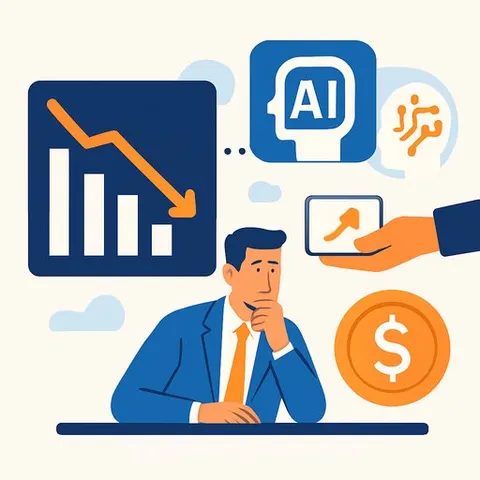
Global companies are postponing promotions and reducing salary increases to redirect money into artificial intelligence projects, according to a report published by Business Insider. For HR leaders, the trend means managing employee morale and retention at a time when technology budgets are growing faster than compensation pools.
AI Investments Squeeze Budgets
CEOs across industries said the current wave of AI investment demands enormous spending on data centers, cloud infrastructure, specialized chips, and model development. These costs strain operating budgets and push some organizations to delay annual promotions or trim planned salary increases. The report noted that hiring plans and technology investments remain intact as part of long-term growth strategies, but short-term compensation decisions are taking the hit.
Employees Bear Part of the Transformation Cost
Several executives told employees that the delays were not tied to performance or company results, but to the need to fund AI initiatives. Companies are in a transitional phase, the executives said, and must spend heavily to stay competitive as the global race for generative AI and automated solutions intensifies. The message to staff is that financial rewards are being reshuffled, not eliminated.
Pressure Spreads Beyond Tech
The report found that the changes are no longer limited to technology firms. Financial services, consulting, healthcare, and manufacturing companies are also increasing AI investments and reassessing how they allocate internal spending. Technology investments now receive higher priority than some traditional expenses, including annual compensation plans, across a growing list of sectors.
Balancing Investment and Talent Retention
HR experts warned that continued delays in promotions and raises could erode job satisfaction and push talented employees toward companies with stronger financial incentives. The success of AI adoption depends not only on the technology itself but on retaining the skilled people who execute digital transformation strategies. As companies reallocate funds, HR professionals can turn to resources like AI for Human Resources to better understand how to handle these competing pressures.
Why this matters for HR professionals
Compensation planning is getting harder when AI investments compete for the same budget. HR teams will need to design retention strategies that work without relying on large salary increases. This includes using AI tools to analyze workforce data, spot flight risks, and tailor non-monetary incentives. An AI Learning Path for HR Managers offers practical guidance on compensation analysis, retention modeling, and managing workforce transitions driven by technology spending. The ability to explain these trade-offs to employees and to craft retention plans that go beyond salary will become a core HR skill.