
AI news ·
Government signs AI deals with Wayve and ElevenLabs, raising fairness concerns
The UK government signed AI memorandums of understanding with startups including Wayve and ElevenLabs, sparking concerns that
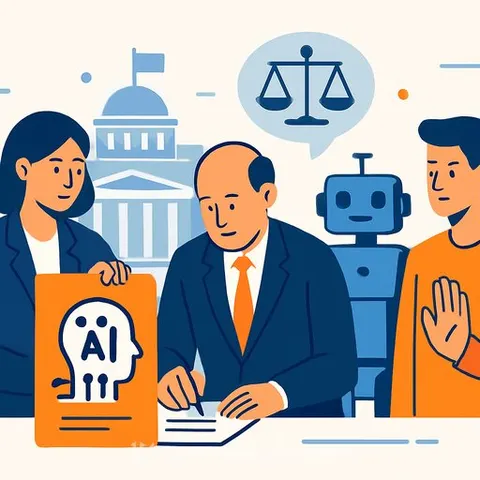
The UK government has signed a series of artificial intelligence memorandums of understanding with technology companies, including autonomous driving startup Wayve and voice AI firm ElevenLabs. These agreements have prompted questions about whether they create an unfair advantage for the chosen firms or whether they are consistent with procurement law.
Memorandums of understanding, often shortened to MOUs, are not legally binding contracts. They set out a framework for cooperation, allowing government agencies to test new technology without a full competitive tender. This approach can speed up adoption of AI tools, but critics argue it can also shut out smaller companies that lack the connections to secure such deals.
What the agreements involve
The government has not published a complete list of AI MOUs it has signed. However, the inclusion of high-profile startups like Wayve and ElevenLabs points to a focus on advanced applications such as autonomous vehicles and synthetic voice technology. Neither company has commented publicly on the terms of their agreements.
Procurement law and fairness
UK procurement law requires public bodies to award contracts through open competition in most cases. MOUs can bypass this requirement if they do not involve financial commitments or are classified as research partnerships. But some legal experts argue that even non-binding agreements can create a de facto preference, giving the chosen companies early access to government data, infrastructure, or reputational benefits that amount to an unfair advantage.
Transparency campaigners have called for the government to publish all AI MOUs and explain the criteria used to select partners. Without such disclosure, they say, it is impossible to assess whether the deals represent value for money or simply deepen existing relationships between officials and favoured tech firms.
Why this matters for government officials
For procurement officers and policy makers, the rise of AI MOUs presents a practical challenge. They must balance the need to adopt new technology quickly with the legal duty to ensure fair competition. Understanding the boundaries of procurement law and how to structure AI partnerships is critical. Training resources like AI for Government and the AI Learning Path for Policy Makers can help officials develop the skills to evaluate and manage these agreements effectively.