
AI news ·
Grammarly faces lawsuit after using authors' names and AI to fake writing advice without their consent
Grammarly sold a $30/month service claiming writers like Stephen King would review users' work - but AI bots did it, without the authors' knowledge. A federal lawsuit forced the feature offline.
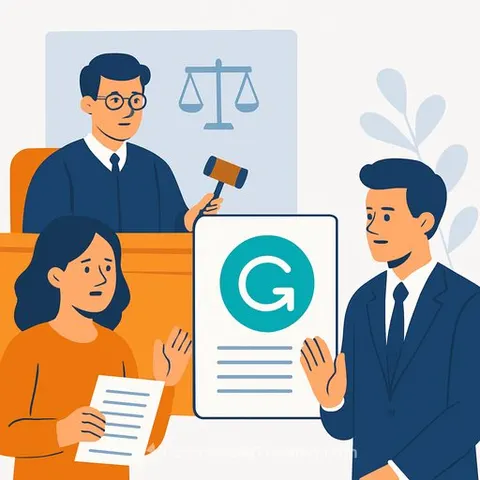
Grammarly's "Expert Review" Service Exploited Writers' Names Without Permission
Grammarly suspended its "expert review" feature last week after technology journalist Julia Angwin filed a federal class-action lawsuit alleging the company used real authors' identities and published work to generate writing suggestions - without the authors' consent or knowledge.
The service, which cost up to $30 monthly, promised users feedback from established writers including Stephen King and Neil deGrasse Tyson. Users uploaded documents and received suggestions supposedly from these named experts.
None of it was real. The company never asked permission to use the authors' names. No actual expert reviewed any submitted work. Instead, AI bots trained on the authors' published work generated the suggestions.
The Deception
Grammarly buried disclaimers in fine print, stating feedback was merely "inspired by real experts" and that references to experts "do not indicate any affiliation with Grammarly or endorsement by those individuals." Most users would have missed these warnings.
The company also listed deceased writers as experts. Astronomer Carl Sagan, who died in 1996, appeared on the roster. So did William Strunk Jr., author of "The Elements of Style," dead since 1946.
Tech journalists Miles Klee (Wired), reporters at The Verge and Defector, and Casey Newton (Platformer) exposed the scheme in early March.
The Legal Case
Angwin discovered Grammarly was using her name to sell a service claiming she would edit users' work. "They were literally selling a service that claims that Julia Angwin will edit your piece," she said. "Obviously, that's a direct threat to me and my ability to earn a living."
The proposed edits under her name were also poor quality, she added, meaning the company was "not just stealing my livelihood but ruining my reputation."
Angwin's lawsuit cites California and New York laws prohibiting commercial use of anyone's name or likeness without consent. Her attorney said more than 100 writers have contacted the firm since the suit was filed, with the total number of affected authors potentially reaching thousands.
Grammarly's chief executive, Shishir Mehrotra, said the company considers the lawsuit claims "without merit and will strongly defend against them." He added that Grammarly will "reimagine" the service to give experts "real control over how they want to be represented - or not represented at all."
Broader Pattern
This is not the first time companies have used AI as a shortcut with serious consequences. AI-generated content has appeared in legal briefs with citations to nonexistent cases, medical diagnoses recommending dangerous treatments, and news articles published without disclosure that they were computer-generated.
The incident also coincides with ongoing copyright lawsuits against AI companies for training bots on published work without permission or payment. Courts have not yet settled where fair use ends and infringement begins.
Grammarly rebranded itself as Superhuman in November 2025, describing its mission as unlocking "superhuman potential in everyone." The "expert review" feature had already launched by then.