
AI news ·
Health leaders outline how AI can improve care delivery and defend against cyberattacks at HIMSS26
Healthcare leaders at HIMSS26 outlined how AI flags patient data patterns to support earlier clinical decisions and monitors networks to catch cyberattacks faster. Both speakers stressed that the tools assist staff-they don't replace human judgment.
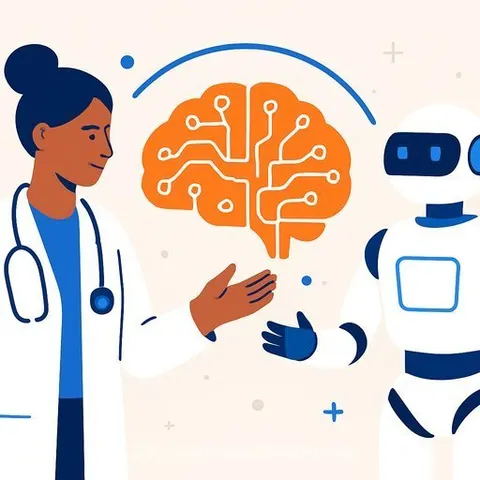
Healthcare Leaders Share AI Applications for Clinical Care and Cybersecurity
Michael Archuleta from Mt. San Rafael and Daniel Spitzer from Cyderes discussed practical uses of AI in healthcare during HIMSS26's preconference forums in April 2026. Both speakers focused on two critical areas: improving patient care delivery and defending against cyberattacks.
Archuleta outlined how AI can assist clinicians in day-to-day care decisions. The technology flags patterns in patient data that might otherwise go unnoticed, helping providers catch complications earlier and adjust treatment plans accordingly.
Spitzer addressed the security side. Healthcare systems face persistent threats from ransomware and data breaches. AI tools can monitor network traffic in real time, identifying suspicious activity faster than traditional methods and reducing the window for attackers to cause damage.
What Healthcare Workers Need to Know
Both speakers emphasized that AI tools work best when clinical staff understand their limitations. These systems flag risks and anomalies-they don't replace clinical judgment.
Cybersecurity teams, meanwhile, need to understand how AI for Cybersecurity Analysts fits into existing defense strategies. AI handles volume and speed; human analysts handle context and decision-making.
For healthcare professionals looking to build expertise in these areas, resources on AI for Healthcare cover both clinical applications and security considerations relevant to hospital and health system operations.
Key Takeaways
- AI can enhance clinical workflows by identifying patterns in patient data that support faster diagnosis and treatment adjustments
- Security monitoring powered by AI detects threats more quickly than manual review alone
- Success depends on clear understanding of what AI can and cannot do in each context
- Clinical and IT teams need shared knowledge about AI capabilities to implement these tools effectively