
AI news ·
Health systems split claim denials work between AI and human staff
Health systems are splitting claim denial reviews between AI and human staff, with AI handling routine rejections and people tackling complex cases requiring clinical judgment. The split speeds up processing and cuts staff burnout.
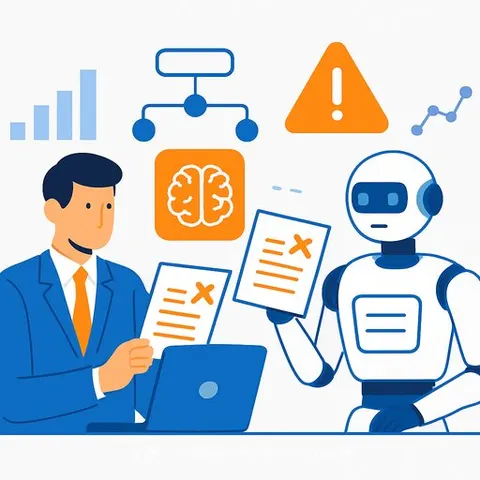
Health systems split claim denial work between AI and human reviewers
Health systems are dividing claim denial reviews between artificial intelligence systems and human staff, with each handling different categories of rejections based on complexity and risk.
The division reflects a practical approach to claims processing. AI handles high-volume, straightforward denials where patterns are clear and appeal rates are low. Human reviewers focus on complex cases where clinical judgment matters or where incorrect denials carry financial risk.
How the split works
AI systems typically process denials related to missing documentation, coding errors, and duplicate claims. These cases follow predictable rules and rarely require appeal. The automation frees staff for higher-stakes work.
Human reviewers handle denials involving medical necessity determinations, coverage policy interpretation, and cases where the insurer's decision conflicts with clinical evidence. These require judgment calls that could affect patient care or expose the health system to liability.
Financial and operational impact
Health systems report faster turnaround times on routine denials. Processing speed matters: a delayed appeal can mean postponed treatment or unpaid claims that strain cash flow.
The hybrid model also reduces staff burnout. Reviewers spend less time on repetitive tasks and more time on cases where their expertise adds value. Some systems report lower appeal abandonment rates when staff focus on winnable denials.
Remaining challenges
Determining which denials AI should handle requires careful threshold-setting. Set the bar too high and humans stay overloaded. Set it too low and AI errors compound downstream.
Training data quality affects accuracy. AI systems learn from past denials, so institutional bias in previous decisions can be reinforced rather than corrected.
Insurance staff overseeing these systems need to understand both the technology's capabilities and its limits. That knowledge gap remains a constraint in many organizations.