
AI news ·
Healthcare needs clear rules on where and how to use AI safely
Healthcare leaders have moved past debating whether AI belongs in hospitals - now the focus is where to use it and what safety guardrails must come first. Staff training, data quality, and clear protocols are prerequisites, not afterthoughts.
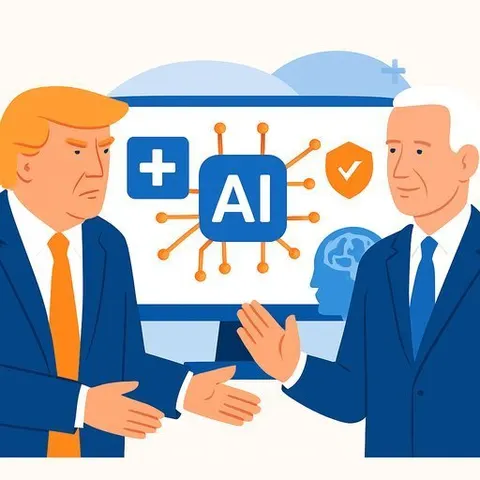
The real question about AI in healthcare isn't whether to use it
Healthcare organizations face a choice about artificial intelligence that goes beyond adoption. The question is where AI should be deployed and what safeguards must exist to protect patients.
The shift reflects a maturation in how the sector views AI. Rather than debating whether the technology belongs in hospitals and clinics, leaders now focus on implementation specifics and safety frameworks.
Where AI fits - and where it doesn't
AI shows clear value in certain clinical functions. Administrative tasks, diagnostic support, and treatment planning are areas where the technology can reduce workload and improve consistency.
But not every process benefits from automation. Direct patient care, complex clinical judgment, and situations requiring human empathy remain firmly in the human domain.
Safety comes before deployment
Introducing AI into healthcare systems demands rigorous preparation. Organizations need clear protocols for testing, validation, and ongoing monitoring of AI systems in clinical use.
Staff training matters as much as the technology itself. Clinicians need to understand what an AI system can and cannot do, and when to override its recommendations.
Data quality, regulatory compliance, and accountability structures must be in place before systems go live. These aren't obstacles to adoption - they're prerequisites.
The opportunity for redesign
AI adoption creates space to rethink how healthcare delivery actually works. Rather than automating existing workflows, organizations can redesign processes from the ground up.
This might mean shifting how clinicians spend their time, restructuring teams, or changing patient interaction models. The technology enables these changes, but strategy must drive them.
For healthcare professionals, understanding AI for Healthcare and how Generative AI and LLM systems work is becoming essential to informed decision-making about deployment in your organization.