
AI news ·
Healthcare ranks second among industries least prepared for AI workforce demands, report finds
Healthcare ranks second-least prepared for AI among 10 industries, trailing only hospitality. Workers are already using AI for scheduling and clinical documentation, but training hasn't kept pace.
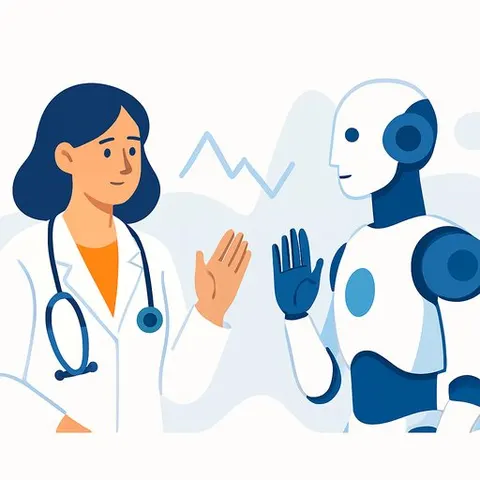
Healthcare Faces Major Gap in AI Skills, Ranks Second-Least Prepared Industry
Healthcare organizations are struggling to train workers fast enough to keep pace with AI tool adoption, according to a new workforce analysis. The industry ranks second among the least prepared sectors to meet growing demand for AI skills.
The findings come from Resume Now's 2026 AI Workforce Preparedness Rankings, which analyzed data from Lightcast's Workforce Risk Outlook. The analysis measured the gap between current workforce capabilities and emerging AI skill demands across 10 industries.
Healthcare trails only hospitality in unpreparedness. AI tools are already in use for scheduling, clinical documentation, and diagnostic support - but many organizations lack the training infrastructure to bring staff up to speed at scale.
The Real Problem Isn't Job Loss
The analysis focused on preparedness rather than automation risk. The distinction matters: it's not about whether jobs disappear, but whether workers can effectively use tools already being introduced.
Wide skills gaps create concrete problems. Organizations face higher training costs, slower implementation timelines, and increased turnover as workers feel unprepared for changing job expectations.
Where Healthcare Ranks
The 10 least prepared industries are:
- Hospitality (least prepared)
- Healthcare
- Financial services
- Logistics and warehousing
- Construction
- Retail
- Manufacturing
- Utilities and waste
- Energy and resources
- Professional, scientific and technical services
The gap between AI tool rollout and worker readiness reflects a broader challenge: AI tools are being introduced faster than training can realistically scale. Healthcare organizations need staff who can work alongside automated recommendations, yet many lack structured programs to build those capabilities.
Targeted AI training can help close this gap, but requires investment and planning from healthcare leaders serious about adoption.