UK peers warn: don't trade creative livelihoods for speculative AI gains
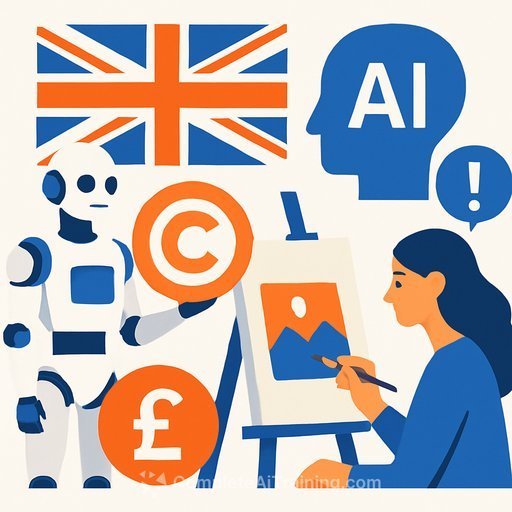
The House of Lords Communications and Digital Committee has issued a clear message: protect UK creators or risk hollowing out a vital economic engine. Their report on AI, copyright and the creative industries urges a licensing-first approach and warns against relying on opaquely trained, US-based models that give little back to the people whose work makes them possible.
The core idea is simple: creators should keep meaningful control over their work and identity. That means permission, fair pay, and transparency about how training data is sourced and used.
Two AI futures for UK creatives
- Licensing-first growth: Developers secure permission and pay for UK content. AI and the arts both grow, with trust, auditability, and money flowing back to rightsholders.
- Unlicensed drift: Tacit acceptance of mass scraping, little transparency, and most benefits accruing overseas. Fewer jobs, weaker bargaining power, and a race to the bottom.
What's at stake (by the numbers)
The creative industries contributed £124bn to the UK economy in 2023, with gross value added on track to hit £141bn by 2030. They employ around 2.4 million people.
By contrast, the UK AI sector employs roughly 86,000 people and contributed about £12bn in 2024. The message: don't erode a proven powerhouse on the promise of future gains that don't guarantee returns to creators.
Why creators are alarmed
Generative AI can imitate styles and outputs in seconds. That speed is being fueled by "scraping"-copying huge datasets that include copyrighted work-often without permission, credit, or payment.
Developers rarely disclose what they trained on, making it hard to enforce rights. There's also no clear, enforceable protection for digital likeness, leaving artists, actors and voice professionals exposed to unauthorized replicas.
What the committee recommends
- Licensing-first regime: Permission and fair remuneration as the baseline for training on UK content.
- Transparency obligations: Make training data disclosure a legal requirement so rightsholders can see, check, and enforce.
- Protect identities: Ban unauthorized digital replicas; give creators control over voice, image, and likeness.
- Fair UK licensing market: Create the conditions for practical, scalable deals between AI developers and rightsholders.
- Back UK models: Prioritise models developed with clear licensing and visible provenance over opaque systems trained overseas.
What you can do now
- Update your contracts: Add clauses on AI training, consent, credit, minimum rates, and revenue share. Include audit rights and takedown obligations.
- Control usage: Use platform settings, opt-out tools, and terms that forbid training on your work without permission. Add machine-readable notices where possible.
- Prove provenance: Keep source files, timestamps, and content credentials/metadata. Watermark where appropriate so you can evidence authorship.
- License on your terms: Offer paid dataset access or style licensing with clear scope, duration, and attribution. Avoid broad, perpetual grants.
- Protect your likeness: Use model releases for your image and voice. Add "no digital replicas without consent" to agreements.
- Demand transparency: Ask vendors which datasets they used and seek indemnities covering infringement claims.
- Choose transparent tools: Favor models that disclose training sources or use licensed data. Shift spend toward providers that respect rights.
- Organise: Join unions, guilds, and collecting societies to negotiate standards and rates at scale.
A direct call-out
The committee warns of "uncredited and unremunerated use of copyrighted material to train AI models," with imitations taking jobs and income from original creators. Their stance: the UK should lead on transparent, responsible use of training data, not normalize scraping without consent.
Useful resources
- House of Lords Communications and Digital Committee - background on the committee and its work.
- UK copyright: text and data mining guidance - current rules and exceptions.
- AI for Creatives - practical guides on using AI tools while protecting your rights and revenue.
Bottom line
AI doesn't have to come at the expense of creators. With paid licensing, clear consent, and real transparency, the UK can grow both sectors. Without that, you're funding your own replacement.
Your membership also unlocks: