The Impact of Tariffs on E-Commerce and the Role of AI
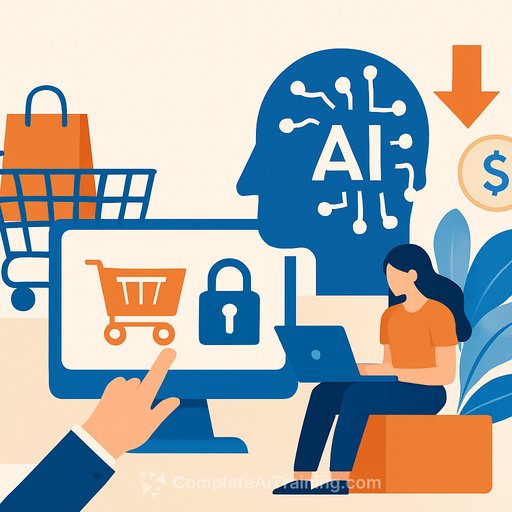
Tariffs are back and causing more than just economic ripples. They bring uncertainty that hits both e-commerce businesses and online shoppers. About 81% of brands expect disruptions in their global strategies, while 60% of consumers are growing more price-conscious and focused on value.
For online retailers, tariffs create more than financial challenges. The industry faces a 70% average cart abandonment rate. Unexpected costs, slow deliveries, and complicated user experiences top the reasons shoppers leave. Transparency and a smooth experience have become the baseline for building trust.
Where Does AI Fit Into This?
Many companies still treat AI like a simple tool to tighten workflows. While AI is great for automating tickets and personalizing recommendations, it falls short in managing customer relationships, especially when tariffs disrupt expectations. Customers need more than speed—they need empathy.
Current AI solutions like chatbots often fail to listen or provide meaningful product information. It’s time to rethink AI’s role from just an operational tool to a core part of customer relationship management.
AI in the Relationship Layer Across the Customer Journey
AI can act as the emotional buffer when tariffs shake the e-commerce experience. It can detect frustration, confusion, or hesitation and respond accordingly. Here's how AI can support customers at each stage:
Building Confidence During Browsing
Customers often feel uncertain the moment they land on a site, suspecting hidden fees or complex cross-border charges. This hesitation causes drop-offs and distrust. AI can track subtle behaviors like back-and-forth clicks between product and cart pages, stalled scrolling, or mouse hovers over prices to sense this uncertainty.
With session-level sentiment analysis, AI estimates emotional states from anonymized data. Detecting these signals triggers real-time personalization—showing localized shipping guarantees, trust badges, verified reviews, or local warehouse info. The right message at the right time restores confidence and keeps customers moving forward.
Using Confidence Scores to Ease Checkout Hesitations
Pricing transparency matters more than discounts to 70% of customers, and over half of retail executives agree price clarity beats brand loyalty. In tariff-impacted markets, this gap can cost sales.
AI can generate confidence scores reflecting the accuracy of price calculations, discounts, or product recommendations. Displaying messages like “We’re 95% confident this is your best price” provides clear reassurance.
Predictive abandonment models notice behaviors such as cursor hesitations or toggling between cart and price breakdowns. AI can then step in with personalized tariff breakdowns based on location and basket contents. Large language models (LLMs) can convert complex tariff info into clear, contextual messages.
These confidence scores guide next-best actions like targeted offers, chatbot prompts, or localized reassurances to reduce checkout drop-off.
Proactive Communication Through Shipping and Delivery
Tariff-related customs delays fuel frustration, with over half of delivery complaints tied to unclear or late updates. Even without control over logistics, brands can manage communication effectively.
AI-driven delivery-risk models use real-time customs data, traffic conditions, and carrier history to flag high-risk shipments early. This allows brands to send proactive notifications tailored by local expectations—what’s routine delay in one country may be problematic in another.
Generative AI can craft personalized, tone-aware messages reflecting the customer’s interaction history. When human intervention is needed, AI flags cases for agent outreach with sentiment context and suggested next steps.
Preserving Relationships During Returns
Returns become more complicated with tariffs, causing confusion around refunds, duties, and fees. A poor returns experience can cost you nearly 70% of repeat business.
AI analyzes return requests from various channels using emotion-tagging natural language processing (NLP) to detect frustration or dissatisfaction. High-risk cases escalate to human agents with relevant context like churn risk and sentiment history.
Predictive retention models then recommend actions such as refunds, store credit, or personalized outreach based on customer history and lifetime value.
AI as the New Relationship Infrastructure
At every stage of the buying process, AI shifts from automating tasks to reading emotional cues. Tariffs add friction, but broken loyalty comes from how brands respond.
Customer experience leaders should measure AI’s value not just by efficiency or cost savings but by its emotional responsiveness and ability to preserve trust. When AI becomes part of the relationship, it detects signals humans can act on, creating a feedback loop that anticipates needs, adapts in real time, and strengthens trust.
In trade tensions where customer emotions matter, your AI must do more than automate—it must listen and absorb shocks.
For those looking to expand skills in AI and customer experience, exploring courses on Complete AI Training can help you apply AI more effectively in your business.
Your membership also unlocks: