AI in Journalism and PR: Building Trust Amid Rising Fake Experts
AI is becoming a regular part of our daily lives, shedding its old sci-fi image as a threat to humanity. Yet, it still brings challenges—especially in journalism and PR—not just because of job security concerns, but due to issues around authenticity and trust.
Recently, the industry has seen a surge in fake experts appearing in PR databases and AI-generated quotes being passed off as genuine comments. This trend has made journalists cautious about sourcing quotes, particularly from health experts or when quick responses are needed. Freelance writer Kerry Parnell highlights a growing skepticism: some experts are not real, others rely on AI-generated responses without being asked, and even some author interviews raise doubts about authenticity.
What This Means for Journalists
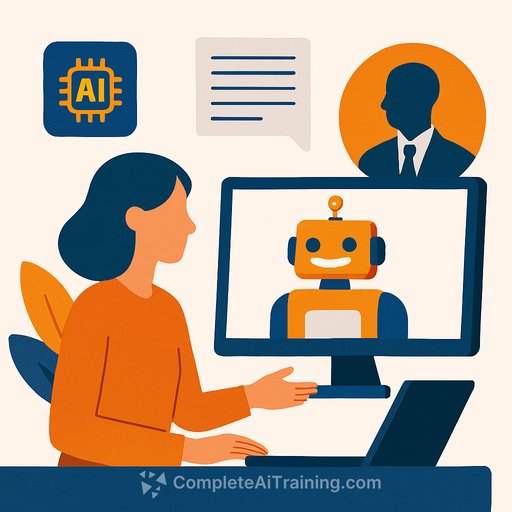
Journalists are shifting away from relying on emailed answers. Instead, quick phone or video interviews with trusted sources are becoming the norm. Parnell notes a preference for direct sourcing over broad call-outs for experts, emphasizing the need for reliability.
How PR Professionals Can Promote Genuine Experts
To overcome AI-related mistrust, PRs must focus on matching experts precisely to a journalist’s query instead of trying to fit an expert into every story. This means:
- Adding real value: Only pitch experts who genuinely fit the topic journalists are covering.
- Clarifying credentials: Clearly state the expert’s qualifications and background to avoid confusion, especially around unregulated titles like “nutritionist” or “coach.”
Journalists increasingly request explicit qualifications to separate genuine experts from those with questionable credentials. PRs should be upfront about what makes their clients credible.
Building a Credible Digital Footprint
A strong digital presence is key. Experts should maintain active video content on platforms like Instagram where they regularly discuss their area of expertise. This helps journalists get a clear sense of who they are and what they know.
Farmer points out that websites and LinkedIn profiles remain important for listing qualifications, but social media presence offers a more dynamic, ongoing proof of expertise. Experts should also be ready to commit to phone or video interviews, as journalists now prefer these over email responses.
Unfortunately, the traditional networking routines between PRs and journalists—like regular coffee catch-ups—have diminished. Journalists and freelance writers are prioritizing work hours over networking, which means PRs must be more strategic and transparent in their outreach.
Tools to Verify and Connect with Trusted Experts
In response to AI fakery concerns, PA Media has introduced Expert Hub, a platform that links journalists with verified experts in real time. Integrated into PA Media’s newswire and other services, it helps newsrooms quickly find credible sources and helps trustworthy experts get the exposure they deserve.
For PR professionals, this underscores the importance of building and maintaining verifiable expertise in a digital-first environment. Ensuring your clients are visible, credible, and accessible can make all the difference in today’s media landscape.
With AI tools transforming communication, staying informed on how to leverage technology responsibly is essential. Explore practical AI courses and resources tailored for PR and communications professionals at Complete AI Training to sharpen your skills and maintain an edge.
Your membership also unlocks: