The Rise of AI in Travel Planning
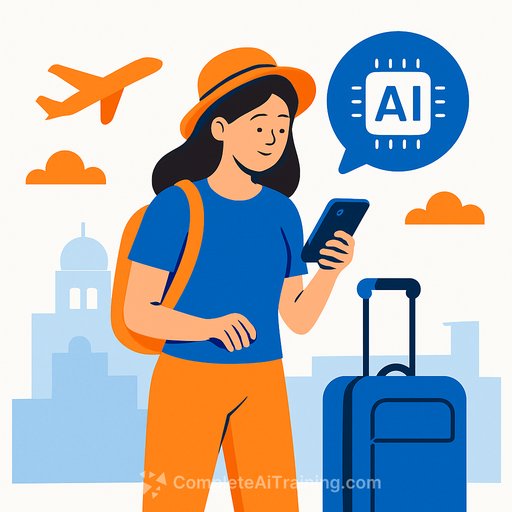
“Just ask ChatGPT!” is becoming as common as “Google it” when planning trips. AI may not replace professionals like doctors or therapists anytime soon, but for travel planning—choosing road trip routes, restaurant picks, or must-see attractions—it’s quietly becoming essential. Research by Marriott Bonvoy shows that 52% of travellers in the UAE and 50% in Saudi Arabia have already used AI to plan holidays. Looking forward, 77% in both countries say they’re likely to use AI for travel planning.
Among those who have used AI, its influence is clear: 93% in the UK, 92% in France, and 95% in the UAE and Saudi Arabia say AI shaped their travel choices, especially regarding destinations, accommodation, and transportation. But how are travel and hospitality businesses adapting to this emerging tool that still feels futuristic to many?
Google’s New AI Travel Tools
Google introduced new AI-powered travel tools earlier this year aimed at smarter planning and easier travel.
Ctrl, Alt, Retreat
Take David and Christina, remote IT workers from Dallas planning to travel across Asia in 2026. With limited time to plan their Nepal stop, they turned to AI. Christina explained, “David fed ChatGPT our rough itinerary, time limits, and my wish for slow, intentional days learning about Buddhism. The AI suggested the Kopan Monastery near Boudhanath, which we took up.” This example shows how AI can quickly surface meaningful recommendations even with minimal input.
Are We There Yet, or Is AI Making This Up Too?
Early AI hype in 2023 led many to try it superficially, but that is shifting. Emily Weiss from Accenture highlights AI’s real value in cutting through overwhelming choices to bring back enjoyment to planning. AI acts like a personal travel concierge, offering bespoke suggestions based on preferences, budget, loyalty status, and real-time local events.
Generative AI is also helping answer the classic travel question: “Where should I go next?” Skyscanner’s “Everywhere” search, used by half of its travellers without a specific destination, now integrates AI to inspire travel ideas, according to Skyscanner’s Chief Product Officer, Piero Sierra.
AI in the Hospitality Space Today
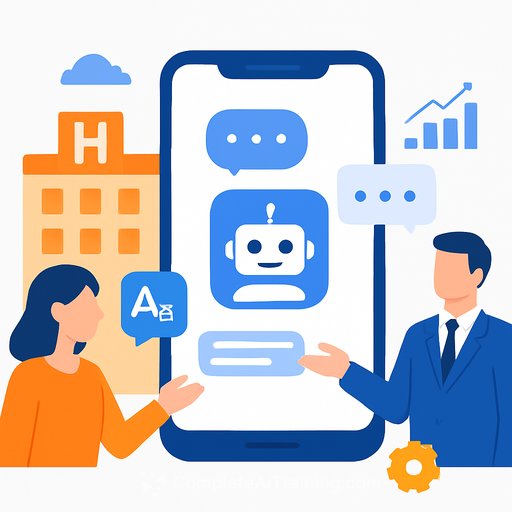
Personalised service remains at the core of hospitality, so integrating AI is a creative challenge hotels are addressing carefully. Shireen Sheriff from Shangri-La Bengaluru describes AI as a tool to enhance, not replace, human connection. Their systems track guest dining and preferences to automate bookings and deliver customised communication—always with guest consent.
Mohamed Shafraz Hafiz from Pulse Hotels & Resorts shares how their 24/7 virtual concierge chatbot efficiently handles guest inquiries with a 95% understanding rate, improving service while prioritising data privacy. He notes the importance of avoiding glitches that could impact guest satisfaction.
No interviewed hotels have replaced human interaction with chatbots, but AI-generated video messages show promise. Karan Ahuja, CEO of AiVANTA, explains these videos can complement personal service with authentic, personalised language. One Indian hotel brand saw a 12% rise in loyalty point redemptions after using tailored AI video messages.
Are AI Tools Outselling Traditional Search Platforms?
Yes, AI tools are gaining ground by quietly integrating into booking platforms. Booking.com, for example, has used AI and machine learning for over ten years to personalise travel experiences. Their AI Trip Planner, live in multiple countries, offers curated itineraries and real-time assistance powered by OpenAI’s ChatGPT API.
Features like Smart Filter, property-page Q&A, automated chatbots, and ‘Help Me Reply’ help travellers find options faster and more suited to their needs, while also supporting partners.
A Modern Travel Agent’s New Favourite Colleague?
Travel operators face complex requests that require quick, personalised responses and adaptability. AI supports them by analyzing past preferences and trends to craft itineraries that feel personal. Founders of OneLatitude credit generative AI with speeding up proposal creation, freeing their team to focus on creative details.
But multi-day trip planning remains complex. Sanjith Mukund from JrnyOn points out that AI needs detailed inputs and context to assist meaningfully. Still, AI is valuable internally—for speeding up repetitive tasks, maintaining consistency, and generating prompts. It also encourages rethinking how travel content is structured for future AI use.
Conclusion
Maija de Rijk-Uys, Managing Director at Go2Africa, sees AI not as a threat but as a quiet support system that enhances human-centred travel service. While AI helps with tasks like booking preferred airlines or specifying spa treatments, the human touch—intuition, empathy, and local knowledge—remains irreplaceable, especially in luxury and safari travel.
For hospitality and events professionals, understanding how AI can assist without replacing genuine human interaction is key. Leveraging AI tools can improve efficiency, personalise experiences, and maintain high service standards.
To explore how AI can help you in hospitality and events, consider checking out Complete AI Training’s courses tailored for professionals.
Your membership also unlocks: